
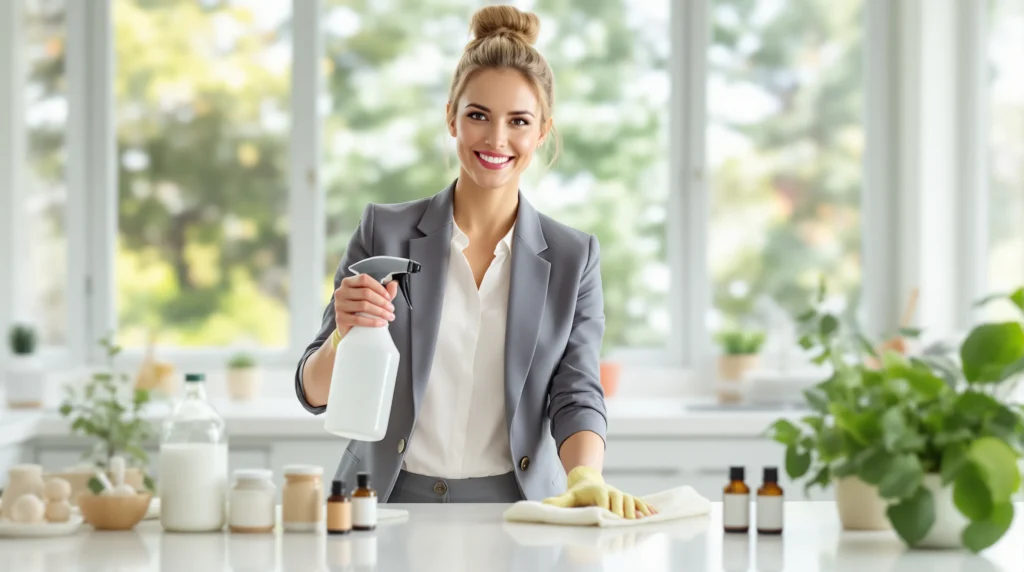
Picture this: You walk into your kitchen on a Saturday morning, sunlight streaming through the window, and the air smells like fresh lemons instead of harsh chemicals. That’s the promise of green house cleaning. If you’ve ever wondered whether you can keep your home sparkling without sacrificing your health or the planet, you’re in the right place. Green house cleaning isn’t just a trend—it’s a shift in how we care for our homes, our families, and ourselves.
What Is Green House Cleaning?
Green house cleaning means using products and methods that are safe for people, pets, and the environment. It’s about swapping out toxic cleaners for natural alternatives and rethinking habits that waste water or energy. If you’ve ever coughed after spraying a store-bought cleaner, you know why this matters. Green house cleaning is for anyone who wants a clean home without the side effects of synthetic chemicals.
Why Go Green?
Here’s the part nobody tells you: Most conventional cleaners contain ingredients that can trigger allergies, asthma, or worse. According to the Environmental Working Group, only 7% of cleaning products fully disclose their ingredients. That means you’re often spraying mystery chemicals on your counters. Green house cleaning puts you back in control. You know exactly what’s in your spray bottle, and you can breathe easy—literally.
Common Myths About Green House Cleaning
- Myth 1: Green cleaners don’t work as well. Truth: Vinegar, baking soda, and castile soap can tackle grime just as well as commercial products.
- Myth 2: It’s expensive. Truth: Most green house cleaning staples cost less than $10 and last for months.
- Myth 3: It’s time-consuming. Truth: Once you set up your green cleaning kit, you’ll save time by skipping trips to the store and using multi-purpose solutions.
Building Your Green House Cleaning Kit
Let’s break it down. You don’t need a closet full of products. Here’s what actually works:
- White vinegar: Cuts grease, dissolves mineral deposits, and deodorizes.
- Baking soda: Scrubs sinks, tubs, and even burnt pans.
- Castile soap: Gentle but effective for dishes, floors, and hands.
- Lemon juice: Natural bleach and fresh scent.
- Microfiber cloths: Trap dust and dirt without chemicals.
- Essential oils (optional): Add a pleasant scent—try tea tree or lavender for extra cleaning power.
Pro tip: Store your green house cleaning supplies in a caddy so you can grab and go. If you’ve ever wasted time hunting for a missing spray bottle, you’ll appreciate this simple fix.
Room-by-Room Green House Cleaning Strategies
Kitchen
Let’s start where the mess is real. For counters, mix equal parts vinegar and water in a spray bottle. Wipe with a microfiber cloth. For stubborn stains, sprinkle baking soda, let it sit, then scrub. To clean your sink, pour in a cup of baking soda, add a splash of vinegar, and watch it fizz away grime. If you’re worried about germs, heat your sponge in the microwave for 30 seconds—just make sure it’s wet first.
Bathroom
Soap scum and mildew don’t stand a chance. Spray tiles with vinegar, let it sit for 10 minutes, then scrub with a brush. For toilets, sprinkle baking soda inside the bowl, add a splash of vinegar, and scrub. If you want a fresh scent, add a few drops of essential oil to the toilet paper roll. It’s a small touch, but it makes a difference.
Living Room
Dust loves to hide. Use a damp microfiber cloth to trap particles on shelves and electronics. For windows, mix two cups of water, half a cup of vinegar, and a teaspoon of dish soap. Spray and wipe for streak-free glass. If you have pets, sprinkle baking soda on carpets, let it sit for 15 minutes, then vacuum. It neutralizes odors without masking them.
Bedroom
Wash sheets and pillowcases weekly with fragrance-free detergent. For mattresses, sprinkle baking soda, let it sit, then vacuum. Open windows for fresh air—nature’s original air purifier. If you struggle with dust mites, wash bedding in hot water and skip fabric softeners, which can trap allergens.
Green House Cleaning for Busy People
If you’re short on time, focus on high-impact habits. Wipe kitchen counters daily, sweep floors every other day, and tackle bathrooms once a week. Set a timer for 15 minutes and see how much you can get done. You’ll be surprised. Green house cleaning isn’t about perfection—it’s about progress.
What to Avoid: Hidden Hazards in “Natural” Products
Here’s the catch: Not every product labeled “green” is safe. Some brands use buzzwords but still include questionable ingredients. Always read labels. Avoid anything with “fragrance,” “parabens,” or “phthalates.” If you can’t pronounce it, look it up. The Environmental Working Group’s Guide to Healthy Cleaning is a great resource.
Who Should Try Green House Cleaning?
If you have allergies, asthma, young kids, or pets, green house cleaning is a smart choice. It’s also for anyone who wants to reduce their environmental impact. If you love the smell of bleach and don’t mind the risks, this might not be for you. But if you want a home that feels clean and safe, you’ll love the switch.
Lessons Learned: My Green House Cleaning Journey
I used to think a clean house meant the sharp scent of ammonia. Then my dog started sneezing every time I mopped. I switched to vinegar and water, and the sneezing stopped. My hands stopped cracking, too. The biggest surprise? My house felt just as clean—maybe cleaner. If you’re on the fence, try swapping out one product. Notice how you feel. That’s the real test.
Next Steps: Start Your Green House Cleaning Routine
- Pick one room to start. Gather your green house cleaning supplies.
- Replace one conventional product with a natural alternative.
- Pay attention to how your home smells and feels.
- Share your results with a friend or family member. You might inspire them, too.
Green house cleaning isn’t about being perfect. It’s about making choices that feel good for you and your home. If you’ve ever wanted a fresh start, this is it. Your lungs, your pets, and the planet will thank you.