
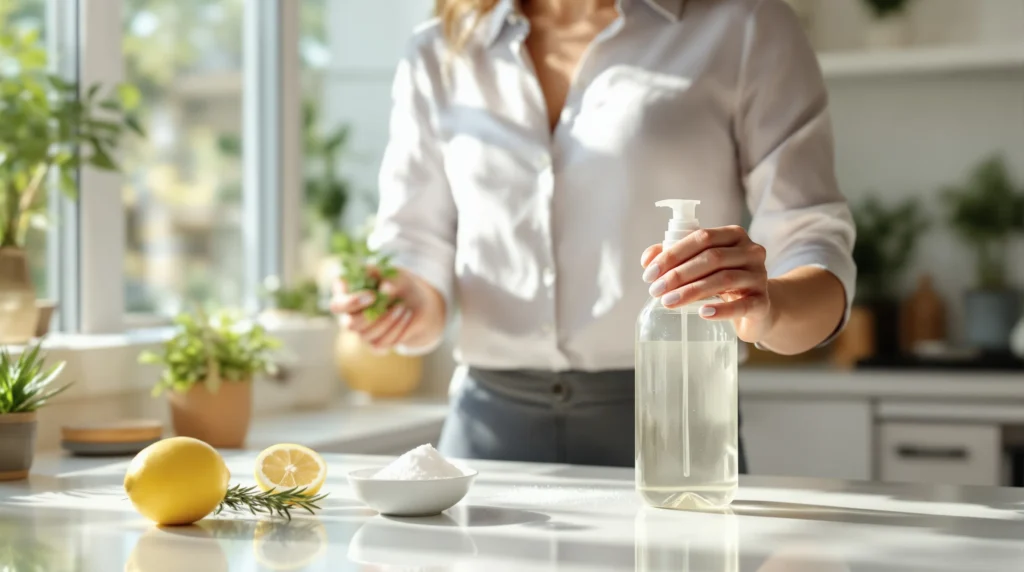
Picture this: You’re scrubbing your kitchen counter, the lemony scent of cleaner fills the air, and you feel good—until you glance at the label and realize you can’t pronounce half the ingredients. If you’ve ever wondered what’s really in your cleaning products, you’re not alone. That’s where the question “what is green cleaning” comes in. It’s not just a buzzword. It’s a shift in how we clean, what we breathe, and how we care for our homes—and ourselves.
What Is Green Cleaning?
Let’s get right to it. Green cleaning means using products and methods that are safer for people, pets, and the planet. It’s about swapping harsh chemicals for gentler, plant-based options. But it’s more than just buying a bottle with a leaf on the label. Green cleaning asks: What’s in this? Where does it go when I rinse it down the drain? Does it actually work?
If you’ve ever felt dizzy after using a strong cleaner or worried about your toddler crawling on a freshly mopped floor, you already get the stakes. Green cleaning is for anyone who wants a spotless home without the side of guilt or headaches.
Why Does Green Cleaning Matter?
Here’s the part nobody tells you: The average home contains dozens of cleaning products, many loaded with volatile organic compounds (VOCs), artificial fragrances, and preservatives. According to the Environmental Protection Agency, indoor air can be two to five times more polluted than outdoor air, thanks in part to these products. That’s not just a fun fact—it’s a wake-up call.
Green cleaning matters because it protects your health. It matters because it keeps rivers and oceans cleaner. And it matters because, let’s be honest, nobody wants to wear gloves and a mask just to wipe down the bathroom sink.
What Makes a Product “Green”?
Not every product labeled “green” is actually safe or effective. Some companies use “green” as a marketing trick, slapping a leaf on the bottle and calling it a day. Here’s what to look for if you want the real deal:
- Ingredients you recognize: Think vinegar, baking soda, citric acid, or essential oils.
- Biodegradable formulas: These break down quickly and don’t linger in the environment.
- No artificial fragrances or dyes: These can trigger allergies and don’t help clean.
- Minimal packaging: Less plastic, more refills, or even concentrates you dilute at home.
- Third-party certifications: Look for labels like EPA Safer Choice or Green Seal.
Here’s why this matters: If you can’t pronounce it, you probably don’t want it on your kitchen table.
How Does Green Cleaning Work?
Green cleaning isn’t about sacrificing results. It’s about using the right tools and ingredients. For example, white vinegar cuts through grease, baking soda scrubs away stains, and hydrogen peroxide disinfects. Microfiber cloths trap dust without chemicals. The trick is knowing which natural ingredient works for which mess.
Common Green Cleaning Swaps
- All-purpose cleaner: Mix equal parts water and vinegar, add a few drops of lemon oil.
- Glass cleaner: Combine water, vinegar, and a splash of rubbing alcohol.
- Scrubbing paste: Blend baking soda with a little water for sinks and tubs.
- Disinfectant: Use hydrogen peroxide (3%) in a spray bottle for surfaces.
These swaps cost pennies and work just as well as store-bought brands. Plus, you control what goes into them.
Who Should Try Green Cleaning?
If you have allergies, asthma, young kids, or pets, green cleaning is a game-changer. But it’s not just for the health-conscious. Maybe you’re tired of spending money on a dozen different bottles. Maybe you want to shrink your plastic footprint. Or maybe you just like the idea of a home that smells like real lemons, not “mountain breeze.”
But here’s the honest truth: If you want a hospital-grade disinfectant for a medical setting, green cleaning might not be enough. For everyday messes, though, it’s more than up to the task.
Common Myths About Green Cleaning
- Myth 1: Green cleaning doesn’t work. Fact: Vinegar, baking soda, and soap have cleaned homes for centuries. The trick is using them right.
- Myth 2: It’s expensive. Fact: Most green cleaning staples cost less than $2 per bottle and last for months.
- Myth 3: It’s too much work. Fact: Mixing a spray bottle takes less time than driving to the store.
If you’ve ever felt overwhelmed by cleaning, green cleaning can actually simplify your routine. Fewer products, fewer worries.
How to Start Green Cleaning Today
Ready to try it? Here’s how:
- Check your current products. Read the labels. If you see warnings like “hazardous to humans and domestic animals,” consider a swap.
- Pick one room to start. The kitchen or bathroom is a good bet.
- Buy or make a basic green cleaner. Start with vinegar and water, or grab a certified green brand.
- Use up what you have before tossing anything. Waste isn’t green.
- Notice how you feel. Fewer headaches? Less sneezing? That’s your body thanking you.
Here’s the part nobody tells you: You don’t have to go all-in overnight. One swap at a time is enough.
What Is Green Cleaning: The Takeaway
So, what is green cleaning? It’s a smarter, safer way to keep your home spotless. It’s for anyone who wants to breathe easier, spend less, and feel good about what they’re using. It’s not about perfection. It’s about progress—one spray bottle at a time.
If you’ve ever wondered if your cleaning routine could be healthier, greener, or just simpler, now you know where to start. The next time you reach for a cleaner, ask yourself: What’s in this? Who’s it for? And how does it make me feel? That’s the real secret to a spotless, happy home.