
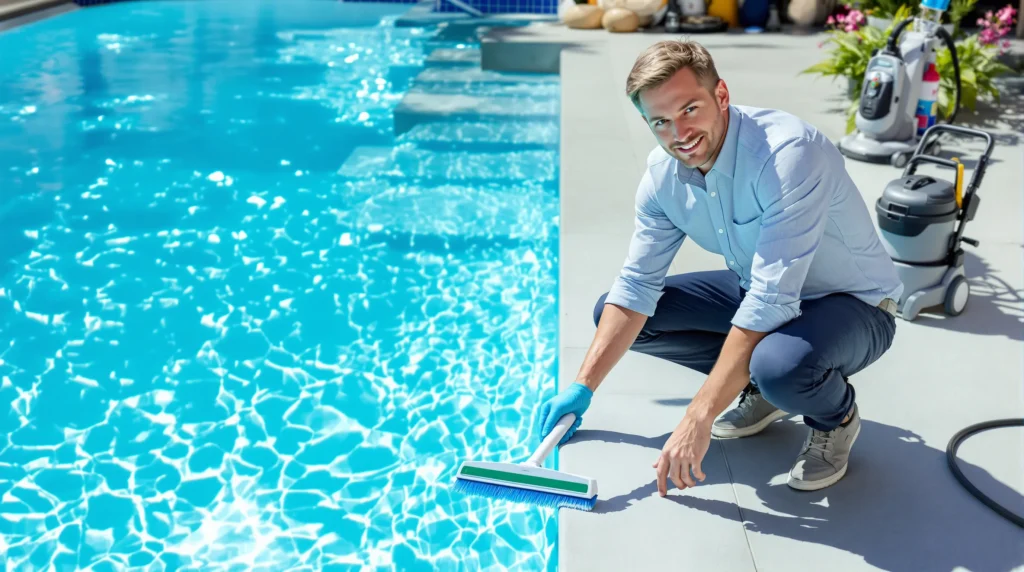
Picture this: You walk out to your backyard, ready for a swim, and your pool looks like a swamp. The water’s green, murky, and smells a little like a forgotten salad. If you’ve ever faced this, you know the sinking feeling. Green pool cleaning isn’t just about making things look nice—it’s about reclaiming your summer, your sanity, and maybe your reputation with the neighbors.
Why Pools Turn Green (And Why It’s Not Your Fault)
Let’s get honest. Even the most diligent pool owners can wake up to a green pool. Maybe you missed a day of chlorine, or a storm dumped a ton of leaves. Algae love warm, stagnant water and will take any chance to move in. If you’ve ever felt embarrassed about your green pool, you’re not alone. I once let mine go for a week while on vacation and came back to a scene straight out of a horror movie. The good news? Green pool cleaning is totally doable, and you don’t need a chemistry degree.
What You Need for Green Pool Cleaning
Before you start, gather your tools. Here’s what you’ll need:
- Pool test kit or test strips
- Chlorine shock (granular or liquid)
- Algaecide (optional, but helpful)
- Pool brush and vacuum
- Leaf net or skimmer
- Patience (seriously, this takes a few days)
Here’s the part nobody tells you: The right attitude matters as much as the right chemicals. If you expect instant results, you’ll get frustrated. Green pool cleaning is a process, not a magic trick.
Step-by-Step Green Pool Cleaning
1. Remove Debris
Start by scooping out leaves, twigs, and anything else floating in the water. The more you remove now, the less work your filter has to do later. I once skipped this step and ended up clogging my pump—don’t be me.
2. Test and Balance the Water
Use your test kit to check chlorine, pH, and alkalinity. For green pool cleaning, you want your pH between 7.2 and 7.6. If it’s too high, chlorine won’t work as well. Adjust with pH reducer or increaser as needed. This step sets the stage for everything else.
3. Shock the Pool
Now comes the fun part. Add a heavy dose of chlorine shock—usually 2-3 times the normal amount. For a standard 15,000-gallon pool, that’s about 3 pounds of granular shock. Sprinkle it evenly around the pool. If you’re using liquid, pour it slowly around the edges. Don’t swim during this step. The water will look cloudy, maybe even worse than before. That’s normal. Here’s why: The chlorine is killing algae, and dead algae look gross before they clear out.
4. Brush, Brush, Brush
Algae cling to walls and floors. Grab your pool brush and scrub every surface—walls, steps, ladders, even the corners. This breaks up the algae and helps the chlorine do its job. If you skip this, you’ll end up with stubborn green patches that just won’t quit.
5. Run the Filter Nonstop
Turn your filter on and let it run 24/7 until the water clears. Backwash or clean the filter daily. If you have a cartridge filter, rinse it out every day. The filter is your best friend during green pool cleaning. It’s doing the heavy lifting, so don’t let it get clogged.
6. Vacuum the Pool
Once the water starts to clear, vacuum up the dead algae. If you have a manual vacuum, set it to waste so you don’t clog your filter. Automatic vacuums work, but manual gives you more control. This step can take a while, but it’s worth it. You’ll see the bottom of your pool again—promise.
7. Add Algaecide (Optional)
Some people swear by algaecide, others skip it. If you want extra insurance, add it after shocking and brushing. It helps prevent new blooms while your chlorine level returns to normal. Just don’t use it as a substitute for chlorine—think of it as backup, not the main event.
How Long Does Green Pool Cleaning Take?
Here’s the truth: It usually takes 3-5 days for a pool to go from green to clear. If your pool is dark green or black, it might take a week. Don’t get discouraged if it doesn’t clear overnight. Keep testing, brushing, and filtering. You’ll get there.
Common Mistakes (And How to Avoid Them)
- Not using enough shock: Under-dosing lets algae survive. When in doubt, add more.
- Skipping the brush: Algae love hiding in corners. Brush every inch.
- Turning off the filter: The filter needs to run constantly. Don’t give it a break.
- Ignoring pH: High pH makes chlorine less effective. Test and adjust before shocking.
If you’ve made these mistakes, you’re in good company. I’ve done every one of them. The key is to learn and keep going.
How to Prevent a Green Pool Next Time
Once your pool is sparkling, you want to keep it that way. Here’s how:
- Test your water at least twice a week.
- Keep chlorine between 1-3 ppm.
- Brush and vacuum weekly, even if the water looks clear.
- Clean your filter regularly.
- Shock after heavy use or rainstorms.
Prevention is easier than green pool cleaning. A few minutes a week saves you hours of work later.
Who Should Tackle Green Pool Cleaning (And Who Shouldn’t)
If you like hands-on projects and don’t mind a little elbow grease, you can handle green pool cleaning yourself. It’s satisfying to watch the water change from green to blue. But if you’re short on time, or your pool is a true disaster, hiring a pro might be worth it. There’s no shame in calling for backup.
Final Thoughts: The Payoff of Green Pool Cleaning
Green pool cleaning isn’t just about water—it’s about taking back your space. The first swim after a successful cleanup feels like a victory lap. If you’re staring at a green pool right now, don’t panic. Follow these steps, stay patient, and remember: Every clear pool started as a mess. You’ve got this.