
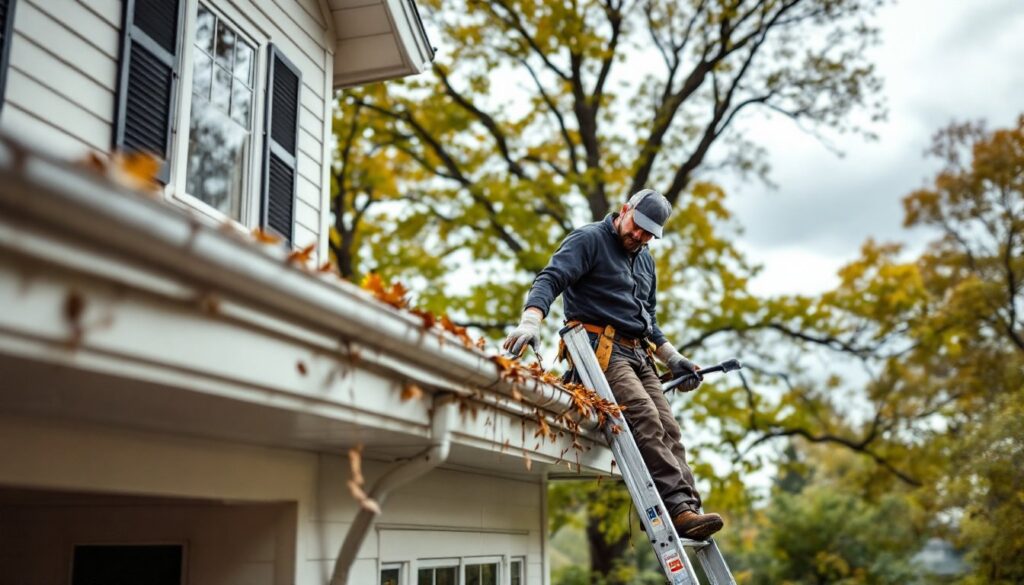
Winchester homeowners know that autumn leaves and spring pollen don’t stay in the trees for long, they end up clogging gutters. Gutter cleaning Winchester is one of those maintenance tasks that feels easy to postpone until the roof starts leaking. But clogged gutters cause far more damage than most people realize. Standing water leads to rust, ice dams in winter, foundation problems, and costly repairs that add up fast. The good news is that gutter cleaning doesn’t require advanced skills or expensive equipment. Whether tackling the job yourself or hiring a pro, understanding your gutters and how to keep them flowing freely will save money, protect your home’s structure, and prevent headaches down the road.
Key Takeaways
- Gutter cleaning Winchester homes twice yearly prevents costly damage like rust, ice dams, foundation problems, and fascia rot that can cost thousands to repair.
- Clogged gutters weigh significantly more than clean ones and can sag under the weight of water and debris, directing water toward your foundation instead of away from it.
- DIY gutter cleaning requires minimal equipment and takes 1–2 hours for most single-story homes, but professional services ($150–$350) are worth the cost for two-story homes or if you’re uncomfortable on ladders.
- Watch for warning signs including visible debris, water streaming over gutter edges, sagging sections, foundation pooling, and plants growing in gutters—all indicators of clogging.
- Installing gutter guards ($500–$1,500) can reduce cleaning frequency in debris-heavy areas, and trimming overhanging branches 6–8 feet from gutters significantly reduces clogging.
- Secure loose fasteners, seal small holes, and ensure downspouts drain 4–6 feet from your foundation to maintain a complete gutter maintenance strategy that protects your home’s structure.
Why Gutter Cleaning Matters in Winchester
Winchester’s climate presents specific challenges for gutters. Heavy spring rains, wet summers, and leaf-heavy falls mean gutters fill up quickly and stay damp longer than in drier regions. When gutters clog, water backs up under roof shingles and into the fascia board, the wooden trim that runs along the roofline. Once water gets behind shingles, it rots the fascia, soffit, and eventually the rafter tails. Replacing rotted framing costs thousands. In winter, clogged gutters trap water that freezes and forms ice dams. These ice ridges prevent melt-off from draining properly, forcing water back under shingles and into walls.
A secondary issue Winchester homeowners face: gutter sag. Clogged gutters weigh significantly more than clean ones (water alone weighs about 8 pounds per gallon, and a typical 5-inch gutter section can hold 5–10 gallons). This excess weight pulls fasteners loose and warps the gutter system, creating low spots where water pools rather than flows. Poor drainage also directs water toward foundation walls instead of away, promoting basement moisture and encouraging mold. Regular gutter cleaning prevents all these problems and typically costs under $300, a bargain compared to fascia repair or foundation work.
Signs Your Gutters Need Cleaning
Spotting a clogged gutter is straightforward if you know what to look for. The most obvious sign is visible debris: leaves, twigs, moss, and granules from shingles sitting visibly in the gutters. If you see water streaming over the edge during rainfall instead of flowing through downspouts, that’s a red flag. Sagging sections or gutters pulling away from the fascia indicate weight buildup or fastener failure caused by debris load.
Look at the ground around your downspouts, too. If water pools against the foundation after rain or soil erosion is visible near the base, water isn’t draining far enough. Some homeowners notice soffit stains or small water marks on exterior walls, these often point to overflow. In spring, if you spot plants growing out of your gutters (yes, it happens), you’ve got a debris problem: seeds have sprouted in the accumulated dirt.
One more sign to watch: the presence of mosquitoes or standing water. Gutters hold moisture that becomes a breeding ground for insects. If gutters are perpetually damp or you see visible water sitting in them days after the last rain, they need cleaning. Winchester residents should aim for gutter inspection at least twice yearly, once in late fall after leaf drop and again in early summer to check spring damage.
DIY vs. Professional Gutter Cleaning
Gutter cleaning is one of the few home maintenance tasks where DIY truly makes sense for many homeowners. The basics are simple: get on a stable ladder, scoop out debris by hand (wearing heavy-duty gloves), and flush the system with a hose. Most standard single-story homes take 1–2 hours. A decent 20-foot extension ladder, a pair of gutter scoops (under $20), and heavy work gloves are all the equipment required.
But, DIY carries risks. Falls from ladders cause more than 200,000 emergency room visits yearly. Two-story homes or houses with complex roof lines multiply the fall risk significantly. Scooping debris at shoulder height on a ladder requires balance and core strength that some people don’t have. Wet gutters are slippery, and reaching too far sideways is a common cause of ladder accidents.
Professional gutter cleaning services in Winchester typically cost $150–$350 for a standard 2-story home, depending on gutter length, debris volume, and whether downspout flushing is included. Pros have safer equipment (stabilizer bars, harnesses for steep roofs) and work faster. They also inspect gutters for damage while cleaning, spotting loose fasteners, rust, or holes you might miss.
When to Call a Professional
Hire a professional if your home is two stories or taller, gutters are hard to access (steep rooflines, enclosed patios below), you have a medical condition affecting balance or strength, or your gutters have visible damage like holes or major sag. Similarly, if you’ve never cleaned gutters before and feel uncomfortable on a ladder, professionals are worth the cost, one fall negates savings tenfold. Winchester residents with multiple gutter runs or complex roof systems also benefit from the inspection that comes with professional cleaning.
Best Practices for Gutter Maintenance
Cleaning gutters twice yearly keeps them flowing and prevents the buildup that leads to damage. But cleaning alone isn’t a complete maintenance strategy. Here’s what experienced DIYers and contractors recommend:
Secure loose fasteners. Hangers and brackets holding gutters to the fascia loosen over time from weight and thermal expansion/contraction. Walk your gutters with a wrench or socket set after cleaning. A gutter sagging even 1/4-inch will direct water toward the wrong area. Tighten any loose fasteners on the spot.
Check for and seal small holes. Small rust-through holes (dime-sized or smaller) can be sealed with gutter sealant or waterproof tape. For a DIYer, these fixes take minutes and prevent water bypassing the system. Holes larger than a quarter-inch usually warrant gutter replacement in that section.
Inspect downspouts for blockages. Debris settles inside downspout elbows, especially at the bottom where the angle changes. Flush downspouts with a hose at full pressure. If water backs up, use a plumbing snake or pressure washer to clear clogs.
Install gutter guards if debris is heavy. Gutter guards (mesh screens or drop-in inserts) reduce how often you clean, sometimes to once yearly instead of twice. They’re not maintenance-free (some still need flushing, and larger debris can pile on top), but they’re worth considering for Winchester properties surrounded by mature trees. Expect to pay $500–$1,500 for guards on a 2-story home, installed by a pro.
Trim overhanging branches. Branches hanging over your roof are the main debris source. Cutting them back 6–8 feet from gutters reduces fall damage and flooding during storms. This also improves air circulation and dries gutters faster after rain.
Ensure proper grading and downspout extension. Downspout runoff should drain at least 4–6 feet from your foundation (check local codes, some require up to 10 feet). If soil around your home slopes toward the foundation instead of away, water will pool against the basement wall. Regrading is outside the scope of gutter maintenance, but it’s worth addressing if you notice it.
Conclusion
Gutter cleaning Winchester homes doesn’t have to feel like a dreaded chore. Two cleanings per year, a few dollars in supplies, and maybe 30 minutes per session keep gutters flowing and your home protected. Whether you DIY or hire out, the point is consistency. Clogged gutters fail silently until the damage is visible, and by then, you’re replacing fascia or dealing with mold. Stay proactive, inspect regularly, and your gutters will do their job for 15–20 years without becoming an expensive problem.