
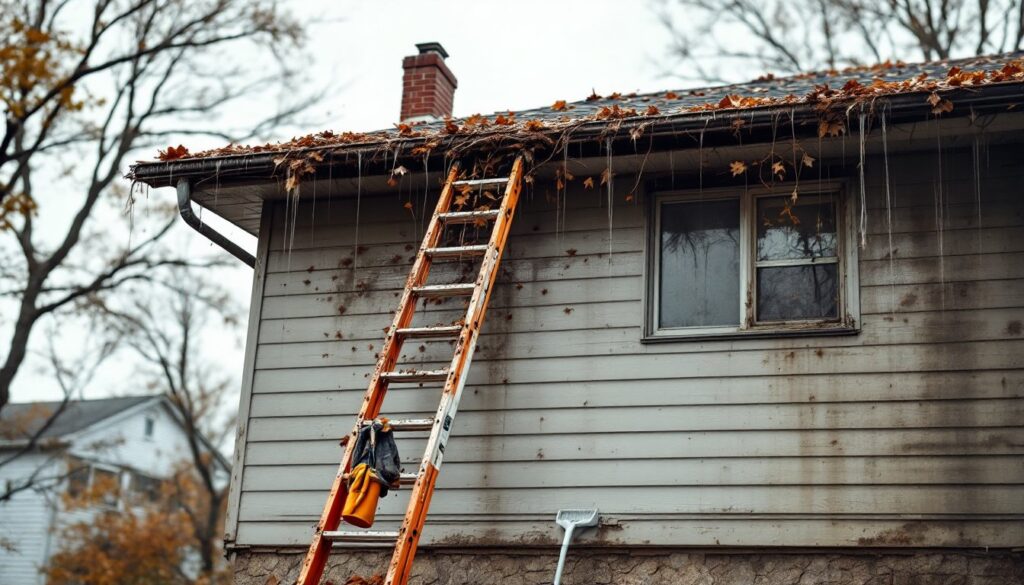
Akron homeowners know that Ohio’s climate brings its share of weather challenges, heavy rain, seasonal leaves, and winter snow all take their toll on gutters. A clogged gutter system might seem like a minor inconvenience, but it’s actually one of the fastest ways to damage a home’s foundation, siding, and roof. Gutter cleaning isn’t glamorous, but it’s one of the most effective maintenance tasks any homeowner can prioritize. Whether someone handles it themselves or calls in a professional, understanding what gutters need and when they need it can save thousands in repairs down the line.
Key Takeaways
- Gutter cleaning in Akron is essential for preventing costly water damage to foundations, roofs, and siding, with foundation repairs alone running $10,000 to $25,000.
- Akron homeowners should clean gutters at least twice yearly—spring (April–May) and fall (October–November)—or more frequently if their property has mature trees nearby.
- Visible signs that gutters need immediate attention include overflowing water, sagging gutters, water stains on foundations, and debris spilling from the system.
- DIY gutter cleaning costs $100–$300 but requires safety precautions like using a secure ladder and protective gear; professional services ($150–$400 per visit) are safer and include damage inspection.
- When hiring a gutter cleaning service in Akron, verify licensing and insurance, request written estimates and proof of work, and check reviews and BBB ratings before committing.
Why Gutter Cleaning Is Critical for Akron Homeowners
Gutters are basically rain downspouts for the entire roof. They collect water and channel it away from the foundation, siding, and landscaping. When gutters clog with leaves, twigs, and debris, water backs up and spills over the sides or sits stagnant inside the channel.
In Akron, this creates several problems. Standing water in gutters attracts mosquitoes and can rot the gutter material itself, especially older aluminum or steel gutters. Overflow water cascading down the side of the house soaks the foundation, which over time leads to basement leaks, settled foundations, and expensive structural repairs. The average foundation repair in Ohio runs $10,000 to $25,000, so preventing water damage is literally an investment in the home’s structural integrity.
Roof damage is another silent threat. When water doesn’t drain properly, it pools under the eaves and beneath the roofline, working its way under shingles and into the decking. This accelerates wood rot and shortens shingle life by years. Fascia boards, the wooden trim that gutters hang from, are particularly vulnerable, and replacing them costs $1,000 to $3,000 depending on the home’s size.
Akron’s seasonal weather makes this worse. The region gets roughly 37 inches of annual rainfall, plus significant snow and ice. Gutters already under stress from debris can’t handle the volume, and the resulting water damage compounds through spring and summer.
Signs Your Gutters Need Cleaning
A homeowner doesn’t need to wait for a scheduled cleaning to know gutters are in trouble. Several visible signs indicate it’s time to act:
Visible debris in or spilling from the gutters, leaves, twigs, moss, or sediment buildup, is the obvious one. Water pooling or overflowing during or after rain, especially near the downspouts, means clogs are present. Sagging gutters indicate that debris weight combined with water has pulled the gutter away from the fascia: this is both a drainage and a safety issue.
Check the ground near downspout outlets, too. If the soil is eroded or perpetually wet while nearby areas are dry, water isn’t flowing away from the home properly. Visible mold, mildew, or plant growth inside the gutters signals standing water and organic buildup. In Akron’s humid summers, this happens quickly in neglected systems.
Look for water stains on the foundation or basement walls, which often appear as dark streaks or salt deposits. Soffit or fascia damage, including soft spots, peeling paint, or visible wood rot, usually means water has been trapped against the boards for months. These signs demand immediate attention: they indicate the system has already failed.
One more thing: if gutters haven’t been cleaned in over a year, assume they need it, especially in Akron where tree coverage is dense.
How Often Should You Clean Gutters in Akron?
The standard advice is twice a year: spring and fall. For Akron specifically, spring cleaning (April–May) removes winter debris and lets homeowners assess any damage from snow load or ice dams. Fall cleaning (October–November) clears leaves before heavy rain and winter snow arrive.
But, frequency depends on factors. Homes surrounded by mature trees, especially deciduous ones, may need cleaning three or even four times yearly. Homes in newer developments with fewer trees might stretch to once annually. Homes with gutters that have gutter guards (mesh or screen systems) still need periodic cleaning because guard systems don’t stop all debris: they just slow accumulation.
Akron’s Lake Erie proximity also matters slightly. Homes near the lakeshore may see more wind-driven debris and need more frequent attention. Similarly, properties downslope from heavily forested areas catch runoff debris from neighbors’ gutters.
The honest answer: inspect gutters at the end of each season. If they’re full, clean them. If they’re mostly clear, wait until the next scheduled time. Over-cleaning wastes time: under-cleaning invites water damage.
DIY Gutter Cleaning vs. Hiring a Professional
DIY gutter cleaning is doable and saves money, typically $100 to $300 in labor costs compared to hiring a service. Homeowners need a sturdy ladder (ideally a 20-foot extension ladder for single-story homes), work gloves, safety goggles, a bucket or bag to collect debris, and either a gutter scoop or a small hand shovel. Some people use a leaf blower or a wet/dry vacuum with an extension, which works but is slower.
Safety is non-negotiable. A fall from a ladder is serious. Set the ladder on level ground, have someone spot you, and tie off if possible. Wear long sleeves and gloves because gutters contain decomposed leaves, mold spores, and occasionally animal droppings. Dirty gutter water can carry bacterial or fungal pathogens, so avoid touching your face or eating while cleaning.
The process: scoop debris into the bucket, flush the gutter with a garden hose to clear sediment, then check the downspout is flowing freely. The entire job typically takes 2–4 hours depending on home size and debris level.
Hiring a professional costs $150 to $400 per visit (again, varying by home size and debris load) but eliminates the ladder risk and saves time. Professionals use equipment like pressure washers and specialized vacs, plus they inspect for damage while they’re up there. For older homeowners, anyone uncomfortable on ladders, or homes over two stories, this is the safer choice. Many Akron services offer inspections and can spot small repairs before they become expensive.
What to Expect From Professional Gutter Cleaning Services
A reputable professional service follows a clear workflow. They arrive with a ladder, safety equipment, and usually a vacuum truck or collection bags. They’ll access the gutters from the ladder, remove debris by hand or with a scoop, flush the system with water, and verify water flows properly through downspouts.
Quality providers will also inspect and report on:
- Gutter condition (rust, dents, separation from fascia)
- Downspout flow and positioning (is water channeled away from the foundation?)
- Visible damage to fascia, soffit, and the roof line
- Presence of gutter guards and their condition
Some services offer gutter guard installation or minor repairs (re-securing loose gutters, patching small holes, realigning downspouts). Major repairs, such as replacing sections of gutter, addressing fascia rot, or installing new downspout extensions, are usually quoted separately.
A thorough cleaning takes 1–2 hours. If the job takes significantly longer, it often means the gutters were severely neglected or there’s an underlying issue. A professional will communicate that upfront and explain options. Always ask if the quote includes an inspection report: good services provide one and use it as a reference for future maintenance.
Choosing the Right Gutter Cleaning Service in Akron
Akron has no shortage of gutter cleaning services, but quality varies. Start by asking friends and neighbors for recommendations, word-of-mouth is reliable. Online reviews on Google and Angie’s List give a sense of consistency, but read carefully: dismiss one-off complaints but pay attention to patterns (e.g., “always late” or “left debris on the lawn”).
When calling for quotes, ask:
- Are they licensed and insured? This matters. If someone is injured on the property, homeowners without proof of contractor insurance could be liable.
- What’s included in the price? (Gutter only, or gutters plus downspout clearance and inspection?)
- Do they offer a written estimate and proof of work (before/after photos or an inspection report)?
- What’s their cancellation or rain-out policy? (Most reschedule for free, but confirm.)
Pricing red flags: If a service quotes substantially less than others or is vague about what’s included, ask why. Lowball pricing sometimes means sloppy work or hidden upsell practices. Conversely, don’t overpay for unnecessary add-ons like bogus “gutter sealing” or premium services that are standard elsewhere.
Local Akron services tend to understand regional weather patterns and material choices. They’re also more accessible if you need follow-up work. Check the Better Business Bureau (BBB) rating, it’s a quick credibility check, but don’t rely on it alone.
Conclusion
Gutter cleaning isn’t exciting, but it’s one of the best insurance policies a homeowner can buy. Akron’s climate, heavy seasonal rain, snow, and abundant trees, makes it essential. Whether cleaning gutters yourself or hiring a professional, the key is consistency: twice a year, minimum, or whenever visible debris accumulates. A few hours or a couple hundred dollars spent on cleaning now prevents tens of thousands in foundation, roof, and siding repairs later. Protect the home’s structure, and the home protects you.