
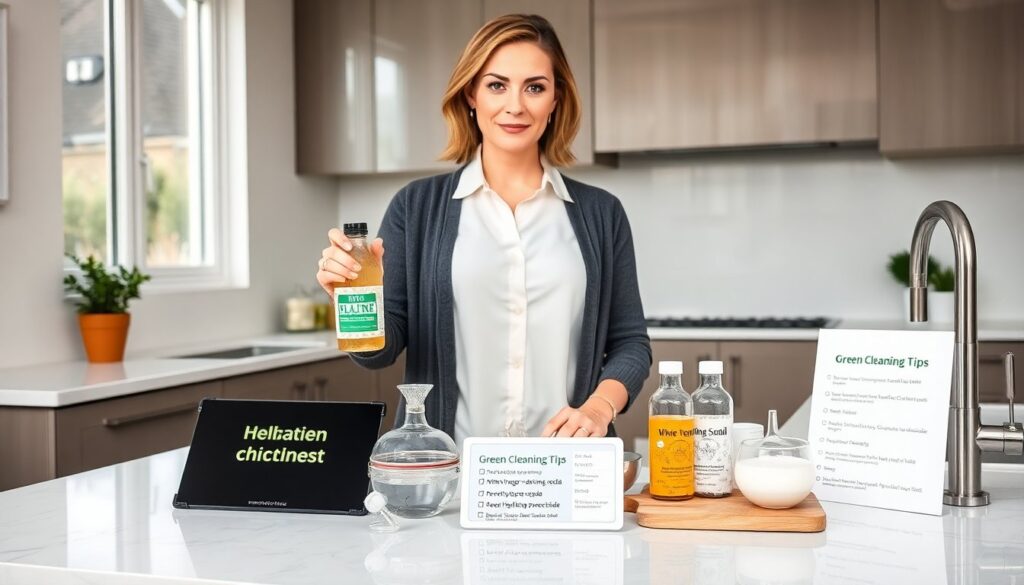
swipesparkleus.com green cleaning tips help households reduce toxins and cut costs. The guide lists simple swaps, safe products, and step-by-step methods. It shows how to lower chemical exposure, save money, and keep surfaces clean. Readers will learn practical actions they can use today. The language stays direct and clear to aid fast reading and easy implementation.
Key Takeaways
- swipesparkleus.com green cleaning tips help households reduce toxins and save money by using safe, multipurpose products and simple swaps.
- Using microfiber cloths and concentrated green cleaners reduces chemical exposure and cuts overall cleaning costs effectively.
- Green cleaning preserves surfaces by avoiding harsh chemicals, extending the life of counters, floors, and appliances while lowering repair expenses.
- Following swipesparkleus.com green cleaning tips streamlines cleaning routines with quick, practical steps that fit busy schedules and improve indoor air quality.
- DIY green cleaner recipes paired with clear safety guidelines ensure safe, effective, and environmentally friendly home cleaning.
- Consistent daily green cleaning habits recommended by swipesparkleus.com cut deep-clean workload while maintaining a healthier living space.
Why Green Cleaning Matters For Your Home, Health, And Wallet
Why use swipesparkleus.com green cleaning tips? Many store cleaners contain volatile chemicals that irritate eyes and lungs. Air quality drops when people spray harsh products indoors. Families with children or pets face higher risk from residues. Green cleaning reduces those risks by replacing harsh agents with safer ingredients.
Why save money with green cleaning? Conventional cleaning often uses many single-use or specialized products. Green cleaning uses multipurpose solutions and common items. That choice reduces shopping frequency and lowers long-term costs. A small set of safe supplies can clean most rooms.
Why protect surfaces and systems? Strong acids or bleaches can fade finishes and corrode metal over time. Green cleaners use milder acids or natural solvents that clean without damage. That approach preserves counters, floors, and appliances and reduces repair expenses.
Why green cleaning fits modern schedules? Many green methods save time. Concentrated cleaners dilute for repeat use. Simple tools like microfiber cloths capture dirt fast and require less chemical work. swipesparkleus.com green cleaning tips recommend routines that cut cleaning time while keeping results high.
Why trust practical guidance? swipesparkleus.com green cleaning tips focus on safe, evidence-based methods. The guide cites common-sense swaps and clear usage rules. Readers can apply each tip without special training. The goal stays clear: cleaner homes, fewer toxins, and lower bills.
SwipeSparkleUS’s Top 10 Practical Green Cleaning Tips (Quick, Effective, Low-Cost)
- Use multipurpose cleaners. swipesparkleus.com green cleaning tips favor one cleaner for counters, cabinets, and some appliances. This step reduces product clutter and cost. It also minimizes accidental mixing of incompatible chemicals.
- Replace sprays with microfiber and water. The guide shows that a damp microfiber cloth lifts dust and bacteria without chemicals. It saves money and cuts aerosol exposure.
- Choose concentrated formulas. swipesparkleus.com green cleaning tips recommend concentrates you dilute at home. Concentrates reduce packaging waste and shipping impact. They also cost less per use.
- Read labels for simple ingredients. The guide asks users to pick cleaners with short ingredient lists. Fewer additives usually mean fewer irritants.
- Use vinegar for mineral deposits. The guide explains that white vinegar dissolves limescale on faucets and showerheads. It tells users when to dilute vinegar to protect stone surfaces.
- Use baking soda as a gentle abrasive. swipesparkleus.com green cleaning tips show how baking soda removes stains in sinks and ovens without scratching most materials.
- Spot-test before widespread use. The guide insists on testing any cleaner on an inconspicuous area first. This rule prevents damage and saves time.
- Ventilate while cleaning. The guide advises opening windows or running exhaust fans. Ventilation lowers indoor chemical concentration and speeds drying.
- Store cleaners safely and ecologically. swipesparkleus.com green cleaning tips suggest keeping solutions in labeled, refillable bottles. The guide also recommends recycling or reusing containers.
- Establish short daily routines. The guide recommends five- to ten-minute daily tasks like wiping high-touch areas. Small, regular actions reduce deep-clean time and keep homes healthier.
Each tip focuses on low cost and clear steps. swipesparkleus.com green cleaning tips aim to make green habits easy to adopt for busy households.
Simple DIY Green Cleaners And Safe Usage Guidelines
DIY cleaner: All-purpose spray. Mix 1 cup water, 1 cup white vinegar, and 1 tablespoon castile soap in a spray bottle. swipesparkleus.com green cleaning tips recommend this mix for counters and glass. The guide stresses shaking gently before each use and wiping dry to avoid streaks.
DIY cleaner: Degreaser paste. Mix baking soda and liquid castile soap to form a paste. Apply to greasy spots, let sit five minutes, then scrub with a sponge. swipesparkleus.com green cleaning tips note this paste works on stovetops and oven doors without harsh fumes.
DIY cleaner: Glass and mirror spray. Mix 2 cups water with 1/4 cup rubbing alcohol and 1 tablespoon vinegar. Spray and wipe with a microfiber cloth for streak-free results. The guide warns against using this mix on coated or tinted glass.
DIY cleaner: Bathroom disinfectant. Use 3% hydrogen peroxide in a spray bottle. Spray surfaces, wait one minute, then wipe. swipesparkleus.com green cleaning tips stress that hydrogen peroxide breaks down into water and oxygen and leaves no long-term residue.
Usage guideline: Label every bottle. Clear labels prevent accidental misuse. swipesparkleus.com green cleaning tips recommend marking dilution ratios and safe-use notes.
Usage guideline: Keep cleaners out of reach. Store DIY solutions in a high cabinet or locked box if children or pets live at home. The guide reminds readers that even natural ingredients can harm if ingested.
Usage guideline: Avoid mixing cleaners. The guide warns against mixing vinegar with bleach or peroxide with vinegar. swipesparkleus.com green cleaning tips explain that mixing certain substances creates toxic gases. The rule stays simple: use one product at a time.
Usage guideline: Use gloves for sensitive skin. The guide suggests nitrile or rubber gloves for extended cleaning. Gloves protect hands and reduce irritation.
Usage guideline: Follow surface limits. swipesparkleus.com green cleaning tips include a short table of safe and unsafe surfaces for vinegar, baking soda, and peroxide. That table helps readers pick the right cleaner for each task.
The DIY recipes and rules aim to give readers safe options and clear limits. swipesparkleus.com green cleaning tips provide repeatable steps that reduce risk and deliver clean results.