
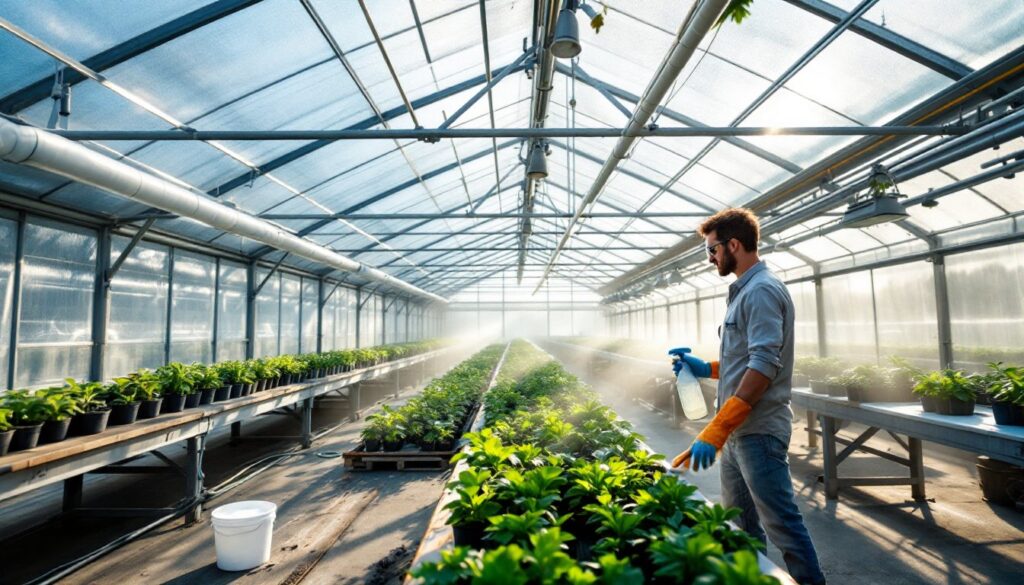
A clean greenhouse is a productive greenhouse. Dust, algae, and pest residue accumulate on glass panels and benches, blocking sunlight and harboring disease. But many commercial greenhouse cleaners contain harsh chemicals that linger on leaves, damage delicate plants, and create safety hazards during handling and storage. Green cleaning methods, vinegar solutions, baking soda pastes, and plant-based soaps, deliver the same results without the toxins. They’re cheaper, safer for the plants already thriving inside, and easier to dispose of responsibly. This guide walks through proven non-toxic cleaning strategies that keep a greenhouse spotless while protecting plant health and the grower’s hands.
Key Takeaways
- Green house cleaning with natural solutions like vinegar, baking soda, and castile soap eliminates harmful chemical residues that damage plant tissues and slow growth.
- Non-toxic cleaning products cost 70–80% less than commercial greenhouse cleaners while protecting leaf cuticles that help plants resist pests and disease.
- A complete green house cleaning cycle—from dust removal to ventilation maintenance—takes 2–4 hours and should be performed quarterly for optimal results.
- Weekly vinegar spray maintenance on south and east-facing panels prevents algae buildup and reduces the need for intensive deep cleaning.
- Proper ventilation system care, including quarterly louver cleaning and annual disassembly, is essential for preventing humidity-driven fungal issues that natural cleaners cannot fully resolve.
Why Green Cleaning Methods Matter In Your Greenhouse
Greenhouses create ideal conditions for plant growth: consistent warmth, humidity, and light. They also create ideal conditions for chemical residue to accumulate and concentrate. When a grower applies a harsh cleaner indoors, especially in a space with limited air exchange, vapors linger and settle on foliage, flowers, and developing fruit. Over time, plant tissues absorb these compounds, slowing growth and increasing susceptibility to stress.
Green cleaning sidesteps this problem entirely. Natural solutions like vinegar and castile soap break down oils, algae, and mineral deposits without phytotoxic residues. They’re also safer to handle: no respiratory irritation, no skin burns from splash, and no need for special disposal protocols. A grower can mix a batch, clean, and rinse with water from the same hose without worry.
The Benefits Of Non-Toxic Solutions For Plant Health
Non-toxic cleaners preserve the waxy cuticle on leaves that helps plants retain moisture and resist pests. Harsh chemicals often strip or damage this protective layer, leaving foliage vulnerable. Plants cleaned with green solutions maintain better color, vigor, and disease resistance.
Cost is another win. A gallon of white vinegar costs about $3–5, and a box of baking soda even less. Commercial greenhouse cleaners run $15–30+ per bottle, and a grower often buys several. Over a growing season, or a career, the savings compound. Plus, vinegar and baking soda have dozens of uses around the property, so nothing goes to waste.
Essential Natural Cleaning Products You Can Use
Stock a simple cabinet: white vinegar, baking soda, castile soap, water, and a few essential oils. These are the backbone of any green greenhouse routine.
White vinegar (5% acetic acid) cuts through mineral deposits, algae, and light pest residue. It’s especially effective on glass and aluminum frames. The smell fades once it dries, though some growers add a few drops of peppermint essential oil to mask it during application.
Baking soda acts as a gentle abrasive and deodorizer. Mixed with water to a paste, it scrubs stubborn algae off benches and pots without scratching. It also neutralizes odors in soil storage areas.
Castile soap (a plant-based surfactant soap) is the key to dissolving oily residue and insect droppings. A few drops in water create a solution that lifts grime without toxic fumes.
Essential oils, peppermint, tea tree, or lemon, add mild antimicrobial action and improve scent. They’re optional but useful if the greenhouse has persistent algae or fungal spore buildup.
Vinegar And Baking Soda Solutions
Glass Cleaner: Mix 1 part white vinegar to 3 parts water in a spray bottle. For mineral-heavy water, use a 1:1 ratio. Spray panels, wipe with a lint-free cloth or newspaper (avoid paper towels, which leave fibers). For stubborn mineral deposits, let the solution sit 10–15 minutes before wiping.
Bench and Frame Scrub: Combine 1/2 cup baking soda, 2 tablespoons white vinegar, and 1 cup warm water. The mixture fizzes slightly: stir until you have a paste. Apply with a soft-bristled brush to algae-covered benches, frames, or potting tables. Scrub gently in circular motions, then rinse with clean water. This method works on concrete floors, too.
Drain Cleaner: Pour 1 cup baking soda down the drain, followed by 1 cup vinegar. Let it fizz for 30 minutes, then flush with hot water. This clears debris and eliminates odors without caustic chemicals.
Castile Soap And Essential Oil Blends
All-Purpose Spray: Mix 2 tablespoons castile soap, 1 tablespoon white vinegar, 1 quart water, and 5–10 drops of peppermint or tea tree oil in a spray bottle. Shake well before each use. This solution handles most surfaces, glass, metal, wood, and plastic pots. It’s mild enough for delicate seedling areas and strong enough for heavy-duty buildup.
Fungicide Rinse: If the greenhouse shows signs of powdery mildew or algal bloom, add 10 drops tea tree oil to 1 quart of water and 1 teaspoon castile soap. Spray affected benches, shelving, and ventilation louvers (not directly on plants or soil). Tea tree oil has demonstrated antifungal properties, though it won’t replace a fungicide in a severe outbreak, know when to call a professional.
Step-By-Step Green Cleaning Process For Your Greenhouse
A thorough greenhouse cleaning takes 2–4 hours, depending on size and how much buildup has accumulated. Plan for early morning or late afternoon to avoid peak heat and to keep plants cool during the process.
Before You Start:
- Remove all portable items: flats, trays, pots, tools, and hoses. This is the easiest way to avoid working around clutter.
- Water plants thoroughly the day before. This prevents stress during the cleaning process.
- Wear work gloves, safety glasses, and a dust mask. Even natural solutions can irritate eyes if splashed, and dust from dried algae is airborne.
- Open all vents and doors. Ventilation is critical, even with non-toxic cleaners.
The Cleaning Sequence:
- Dust and sweep. Start at the roof and work down. Use a soft broom or gentle brush to remove loose algae, spider webs, and dust from overhead structure and panels. Sweep the floor thoroughly.
- Clean the glass and roof panels. Use the vinegar spray (1 part vinegar to 3 parts water). Work in sections, spraying and wiping with a lint-free cloth or squeegee. Pay special attention to the south-facing side, where algae thrives. For a large greenhouse, a long-handled squeegee on an extension pole saves the back.
- Scrub benches and frames. Apply the baking soda paste where algae is heavy. Let it sit 5 minutes, scrub with a soft brush, and rinse thoroughly with a hose or water bucket. Don’t leave baking soda residue: it can harden and attract algae.
- Clean floor and drains. Sweep debris into a pile, dispose of it, then hose down the floor with the castile soap spray. Pay attention to corners and the area under benches where debris accumulates. Use the vinegar and baking soda drain cleaner to clear clogged floor drains.
- Wipe down surfaces a final time. Use clean water or the all-purpose castile spray on all benches, shelves, and work surfaces. Repeat, it removes any residual soap film.
- Check and clean ventilation louvers. Dust and algae clog these components, reducing airflow. Use a soft brush and the spray solution to clean slats, paying extra attention if fungal spores or mold are present.
After cleaning, leave the greenhouse aired out for at least 30 minutes before closing it up for the day.
Maintaining Clean Glass And Ventilation Systems
Glass panels and ventilation systems require the most attention in a greenhouse. Both directly impact plant growth.
Weekly Glass Maintenance: A quick spray and wipe on the south and east-facing panels keeps algae from building up. Use the vinegar spray, and it takes 15 minutes per thousand square feet. This beats deep cleaning monthly.
Quarterly Deep Clean: Every three months, do a full glass scrub as outlined above. If the greenhouse has vents, pull them open and inspect for algae or debris on the inner tracks.
Ventilation System Care: Louvers and intake fans clogged with dust or algae reduce airflow, raising humidity and promoting disease. Clean louver slats with a soft brush and the all-purpose spray. If your greenhouse has an intake fan, unplug it, carefully vacuum the intake screen with a soft brush attachment, and wipe the housing inside and out. A clogged intake filter increases wear on the motor and wastes energy.
Annual Ventilation Overhaul: Once a year, ideally in early spring or late fall, disassemble louver hardware if possible, scrub each slat individually, and inspect hinges and tracks for mineral deposits. Use a dilute vinegar spray on stubborn mineral buildup, then wipe dry. Proper ventilation is non-negotiable for plant health: skipping this step leads to heat stress and humidity-driven fungal issues that no green cleaner can solve.
Growers often overlook vents because they’re not as visible as benches or glass, but a greenhouse with poor air exchange is a guaranteed headache. Invest the time quarterly.