
swipesparkleus decluttering helps people reduce items and free space quickly. It gives a clear process people can use today. The guide shows when to use the method and how to work room by room. It also shows how to keep results with simple habits and checks.
Key Takeaways
- SwipeSparkle US decluttering reduces household clutter swiftly by asking if items are used, needed, or loved, removing those that aren’t.
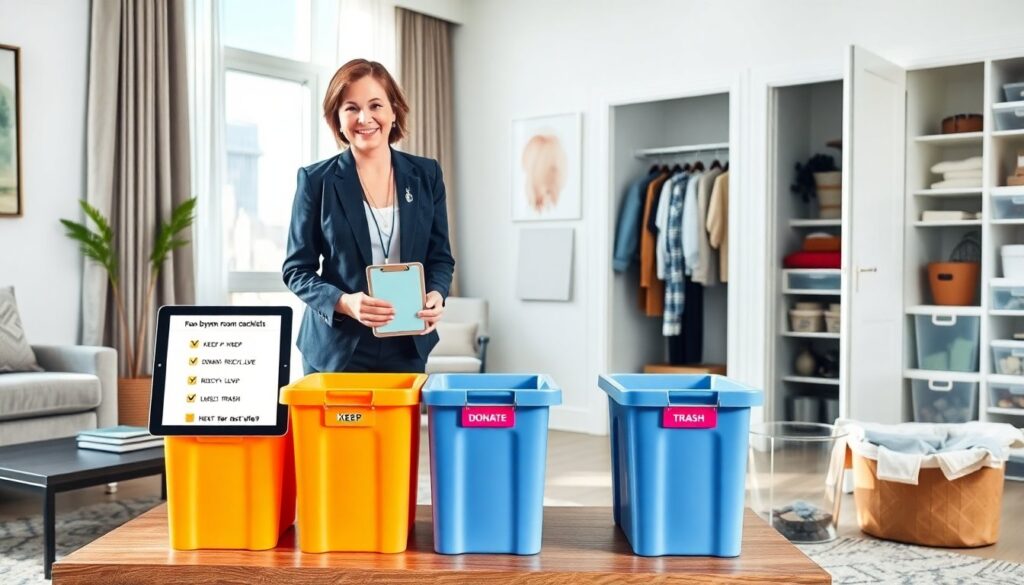
- The method works room by room with timed sessions and four labeled bins: keep, donate, recycle, and trash.
- Start decluttering living areas and bedrooms by removing loose items and limiting visible decor to promote relaxation and clear surfaces.
- In kitchens and bathrooms, keep functional items accessible, group pantry goods by use, and organize paperwork into action, archive, and shred folders.
- Maintain decluttering results through daily habits like returning items to their place, monthly checks to remove clutter, and regular donate and trash runs.
- Adjust storage systems and habits as needed to prevent clutter return and support a consistently clear home environment.
What SwipeSparkle US Decluttering Means And When To Use It
SwipeSparkle US decluttering means removing items that no longer serve a household. The method asks three questions for each item: use it, need it, or love it. If the answer is no to all, the method removes the item. The method sets a clear time limit for decisions to avoid stalls. People use the method when they feel clutter, when they prepare to move, or when they want clearer surfaces and easier cleaning. The method works for solo dwellers, couples, and families. It scales by time. A person can spend five minutes daily or a full weekend on a larger sweep. SwipeSparkle US decluttering mixes rapid decisions with short sorting steps. The method assigns four bins: keep, donate, recycle, and trash. The method labels each bin and sets a pick-up or drop-off deadline. The method asks people to handle each item only once. This rule prevents re-scanning and saves time. The approach reduces emotional friction by using simple rules and time limits. The method uses clear next steps so the household keeps forward progress.
Step‑By‑Step Room‑By‑Room Decluttering Method
The room‑by‑room method breaks the job into small, focused tasks. The method asks a start, clear, and finish step for each room. First, a person sets a timer and brings labeled bins into the room. Next, the person scans surfaces and draws items into one of the bins. Then the person moves to drawers and closets and repeats the same fast decisions. The person removes items in the donate and recycle bins to the car or curb the same day. The person puts keep items back with a simple new order. The method ends with a quick surface clean and a scheduled check next week. The method keeps momentum by limiting each session to a set time and by celebrating small wins. The method reduces overwhelm and produces measurable progress.
Decluttering Living Areas And Bedrooms: Quick Wins And Decision Rules
People start living areas and bedrooms with visible surfaces. They remove loose papers, empty cups, and unused decor first. The method asks if the item supports rest or daily use. If not, the person moves the item to donate or trash. The person limits clothing decisions to three piles: wear now, mending, and remove. The person handles shoes the same way. The method uses a one-year rule for clothes: if a person did not wear it in a year, the person removes it. The method keeps a small system for sentimental items. The person stores those in one labeled bin and schedules a later review. The person sets a clear limit for how many display items they allow per surface. The rule helps keep surfaces clean. These quick wins reduce visual clutter fast and improve sleep and relaxation.
Decluttering Kitchen, Bathroom, And Paperwork: Practical Systems To Keep
People focus on function in kitchens and bathrooms. The person removes gadgets that did not get used in six months. The person returns everyday tools to easy spots and moves rarely used items to higher shelves. The method uses clear containers and labels for pantry items. The person groups items by use and checks expiration dates. The person keeps a single drawer for daily utensils and a box for small gadgets to test for a month. The bathroom gets a small caddy for daily products and a box for extras. The person limits free samples and discards old lotions. For paperwork, the method uses three folders: action, archive, and shred. The person scans receipts and keeps only what the tax rules require. The person sets a weekly paper check to file new items into folders. The person recycles junk mail immediately. The method uses simple rules and visible systems so the spaces stay usable.
Maintaining Results: Habits, Storage Solutions, And Scheduling Checks
People keep decluttered homes with daily habits and simple storage choices. The person returns items to their spot each day. The person does a five‑minute surface sweep nightly. The person labels storage bins with clear names so everyone in the house can help. The person chooses open baskets for frequent items and closed boxes for items used rarely. The person stores like items together to reduce searching time. The person sets a monthly 30‑minute check to remove new clutter. The person schedules quarterly donate runs and trash pickups. The person reviews the paper folder once a month to shred or archive as needed. The person adjusts systems after a month to fix weak spots. The person tracks what returns to the donate bin to learn which shopping habits to change. These small habits keep surfaces clear and cleaning easier. The person reapplies the SwipeSparkle US decluttering rules when clutter grows again.