
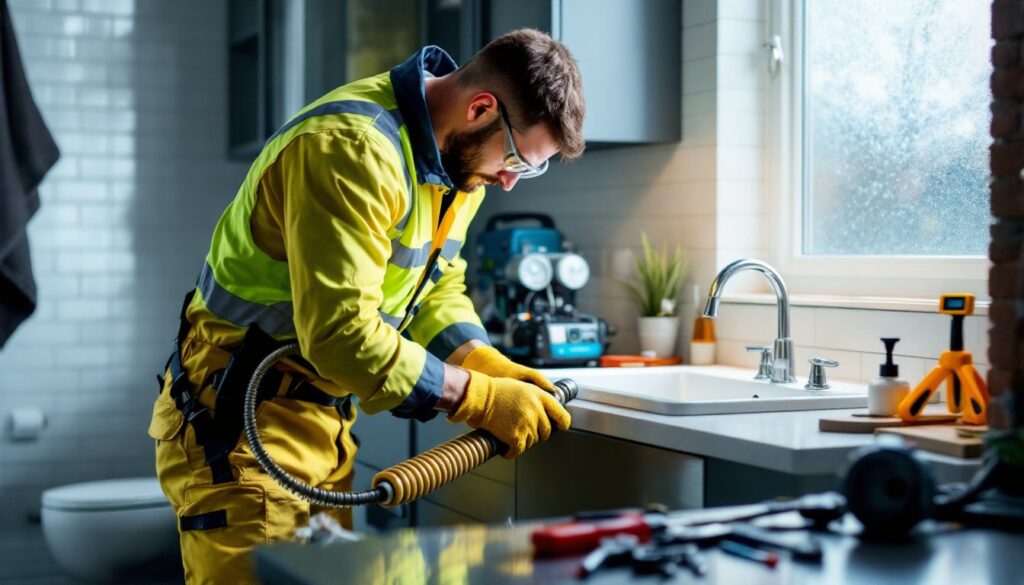
The drain cleaning industry is booming. Homeowners and businesses deal with clogged pipes, backed-up sewers, and water damage, and they’ll pay to get them fixed fast. Unlike some trades, starting a drain cleaning business doesn’t require years of apprenticeship or massive upfront capital. A determined entrepreneur can launch with a modest investment in equipment, the right licenses, and smart marketing. This guide walks through the essentials: what tools matter, which permits are non-negotiable, how to price competitively, and how to land those first customers who become repeat clients and referral sources.
Key Takeaways
- A drain cleaning business requires modest startup capital ($3,000–$8,000) and manageable licensing, making it an accessible venture compared to other trades.
- Essential equipment includes a motorized drain auger, plumbing jetter, and camera inspection system, which enable premium service pricing and recurring customer revenue.
- Drain cleaning commands healthy margins ($150–$300 residential, $500+ commercial) with year-round demand driven by recurring clogs, grease buildup, and seasonal issues.
- Verify local licensing requirements before launch—regulations vary by jurisdiction, and operating without proper permits risks fines and business suspension.
- Compete on speed, reliability, and specialty services rather than price; build reputation through quality work, Google Business reviews, and referral partnerships with plumbers to attract repeat customers.
- Marketing success comes from word-of-mouth and local platforms like Google Business Profile, Nextdoor, and partnerships with established plumbers offering referral fees.
Why Drain Cleaning Is A Lucrative Business Opportunity
Drain cleaning isn’t glamorous, but it’s reliable income. Drain clogs are recurring problems, homes and commercial buildings deal with them regularly, and most property owners don’t want to tackle the mess themselves. Unlike cosmetic renovations that follow economic cycles, drain calls happen year-round: hair and soap buildup in bathrooms, grease in kitchen lines, tree roots invading underground pipes, and seasonal spring thaws that expose systems to damage.
The margins are healthy. A single service call typically runs $150 to $300 for residential work, and commercial jobs often exceed $500. Operating costs, fuel, equipment maintenance, and labor, are relatively lean compared to general contracting. Once you establish a solid reputation and repeat-customer base, you’ll see steady cash flow and the potential to scale by hiring additional techs.
The barrier to entry is manageable. You don’t need a commercial space or expensive licensing in every state: many regions allow sole proprietors to operate with basic business registration and liability insurance. Competition exists, but market fragmentation means there’s room for multiple players, especially in underserved areas or among customers frustrated with existing providers.
Essential Tools And Equipment You’ll Need
Starting lean saves money, but skipping key equipment wastes time and costs jobs.
Core equipment:
- Motorized drain auger (snake): A 75–100-foot cable machine ($400–$1,200) handles most residential and light commercial lines. Larger 150-foot units ($1,500+) tackle main line blockages and longer runs. Rental is an option initially, but ownership pays off quickly with frequent calls.
- Plumbing jetter: A pressure washer-style machine ($800–$2,500) blasts away grease, mineral deposits, and tree roots. This is a premium service you can charge extra for and a game-changer for recurring clogs.
- Camera inspection system: A push-rod or pan-tilt camera ($1,500–$4,000) identifies blockages, breaks, and root intrusion without guessing. Customers appreciate seeing the problem on a monitor, and it justifies higher pricing.
- Hand tools: Plungers, hex keys, wrenches, channel locks, screwdrivers, and a flashlight. Quality versions last years.
Vehicle and transport:
You’ll need reliable transportation, a van or truck capable of carrying a 200-pound auger. Cargo space for spares, hoses, and supplies is essential. Used work vans start around $5,000–$10,000.
Safety and personal gear:
Always wear heavy-duty work gloves, safety goggles, and respiratory protection (N95 or P100 masks) when handling sewage or mold. Hearing protection is smart around loud motors. Non-slip boots prevent accidents on wet surfaces.
Starting investment estimate: $3,000–$5,000 for a basic toolkit and hand tools: $4,000–$8,000 to add an auger and a used van. Skip the camera system initially if budget is tight, rent services from other contractors or partner with plumbers.
Licensing, Permits, And Legal Requirements
Licensing varies dramatically by jurisdiction. Some states require plumbers to hold a license before offering any drain services: others allow drain cleaning under less restrictive categories.
Check your local regulations:
- Contact your state plumbing board or licensing authority to confirm requirements. Many states issue separate drain-cleaner or “limited plumber” licenses requiring a written exam, proof of experience, and a small fee.
- City or county permits may be needed to operate a plumbing service business (business license, tax ID). Most are straightforward and cost under $100 annually.
- Some jurisdictions require background checks or bonding, especially if you’ll access customer properties unsupervised.
Insurance and liability:
Don’t skip this. Liability coverage ($1 million general liability, $2 million aggregate) costs $400–$800 yearly and protects you if a cable damages a pipe or you cause water damage. Workers’ comp is required if you hire employees. Get quotes from contractors’ insurance brokers, they understand the plumbing trade.
If you’re unlicensed:
Some jurisdictions allow unlicensed contractors to do drain cleaning if it’s strictly “mechanical” (auger work, no pipe repairs). But you can’t legally advertise as a “plumber” or perform structural modifications. Verify this in writing with your local authority before launching. Fines and business suspension are real consequences of operating without proper licensing.
Pricing Your Services Competitively
Underpricing kills profitability: overpricing loses customers. Research local competitors’ rates and factor in your costs.
Typical pricing tiers:
- Basic drain cleaning (auger/plunger): $150–$250 for residential. Includes initial diagnostic and clearing.
- Grease trap or commercial line: $200–$500+, depending on complexity and time.
- Jetting service: Add $100–$200 to the base price (or charge separately at $200–$400).
- Camera inspection: $200–$400 if standalone: often bundled into larger jobs.
- Sewer main blockage: $300–$1,000+ (often requires a second visit or follow-up jetting).
Cost structure:
Factor fuel (~$30–$50 per call), equipment depreciation (~$100–$150 per month if financed), and your labor (~$30–$50/hour at minimum). A $200 service call covering two hours on-site, fuel, and 10% equipment cost leaves ~$80–$100 profit, reasonable for a sole proprietor.
Positioning:
Compete on speed, reliability, or specialty (grease removal for restaurants, root cutting for older neighborhoods) rather than lowest price. Customers often choose based on response time, professionalism, and reviews, not a $25 discount.
Marketing And Attracting Your First Customers
Start local and lean on word-of-mouth before spending big on advertising.
Immediate tactics:
- Google Business Profile: Create a free listing with your service area, hours, and phone number. Encourage early customers to leave reviews, Google rankings heavily favor five-star local businesses.
- Nextdoor or Facebook groups: Post in neighborhood forums offering a first-time discount or free inspection. These platforms reach homeowners actively seeking services.
- Partner with plumbers: Contact established plumbers and offer referral fees (10–15% of the job cost) for overflow work or drain-only calls they don’t handle. This brings steady work without advertising spend.
- Flyers and door hangers: Distribute in neighborhoods after heavy rain (when clogs spike) or before spring. A simple, professional design with your phone number and “24/7 emergency service” sells.
Online presence:
Build a basic website listing services, service area, and a contact form. Claim profiles on Yelp, Angie’s List, and Home Advisor, they drive high-intent traffic. Respond to every review, good or bad, professionally and promptly.
Customer experience is marketing:
Arriving on time, explaining the problem clearly, and leaving no mess builds trust. A customer charged $180 for a toilet auger but impressed by quick work and courtesy will refer friends and call back for their next clog. Repeat business and referrals are cheaper than ads and more reliable.
Conclusion
Starting a drain cleaning business is achievable for anyone willing to invest in the right tools, understand local licensing, and execute smart marketing. The demand is steady, margins are solid, and growth paths are clear, from solo operation to hiring multiple techs, adding commercial contracts, or expanding into related services like septic pumping. Start with core equipment, verify your legal standing, build reputation through quality work, and let referrals fuel growth.