
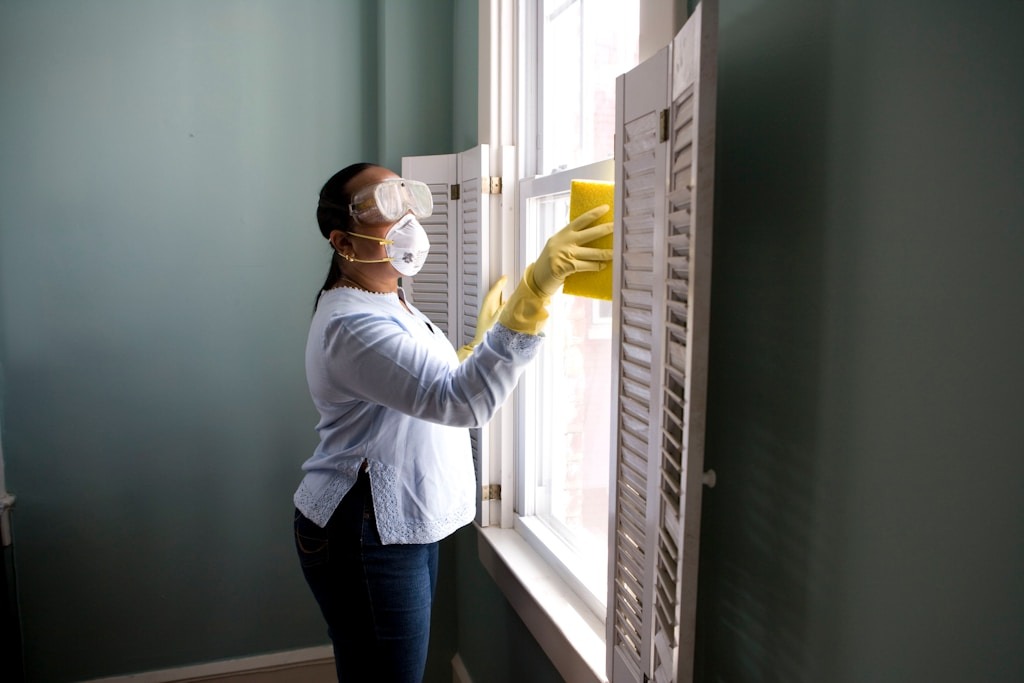
Across public facilities, healthcare sites and commercial buildings, surface cleanliness plays a crucial role in protecting staff, visitors and patients. While disinfectant formulations receive much of the attention, the tools used to apply, spread and remove soils are equally influential in achieving consistent hygiene outcomes. Well-designed equipment helps reduce cross-contamination, supports workflow efficiency and ensures that disinfectants contact surfaces as intended.
The importance of tool–surface interaction
Cleaning tools function as the bridge between the disinfectant and the environment. Microfibre cloths, mop systems, wipes and applicators differ in how they release liquid, capture particles and adapt to varied textures. Microfibre, for example, provides mechanical soil removal that enhances performance on high-touch points such as door handles, railings and bed frames. In larger areas, flat-mop frames with low-lint pads help minimise residue while ensuring uniform coverage. Selecting tools that are compatible with the chosen chemistry, surface materials and daily workload makes protocols more resilient and reduces the likelihood of missed areas.
Single-use and pre-moistened solutions
Many facilities adopt pre-moistened systems to support predictable and repeatable hygiene practices. These formats reduce variability linked to dilution errors and ensure that a disinfectant is applied at the correct concentration. In the middle of broader operational strategies, resources such as https://www.arxada.com/en/hygiene/hygiene-emea/hard-surface-disinfectant-cleaner—disinfectant-wipes- illustrate how all-in-one solutions can simplify processes for teams responsible for diverse zones including receptions, waiting rooms and treatment areas.
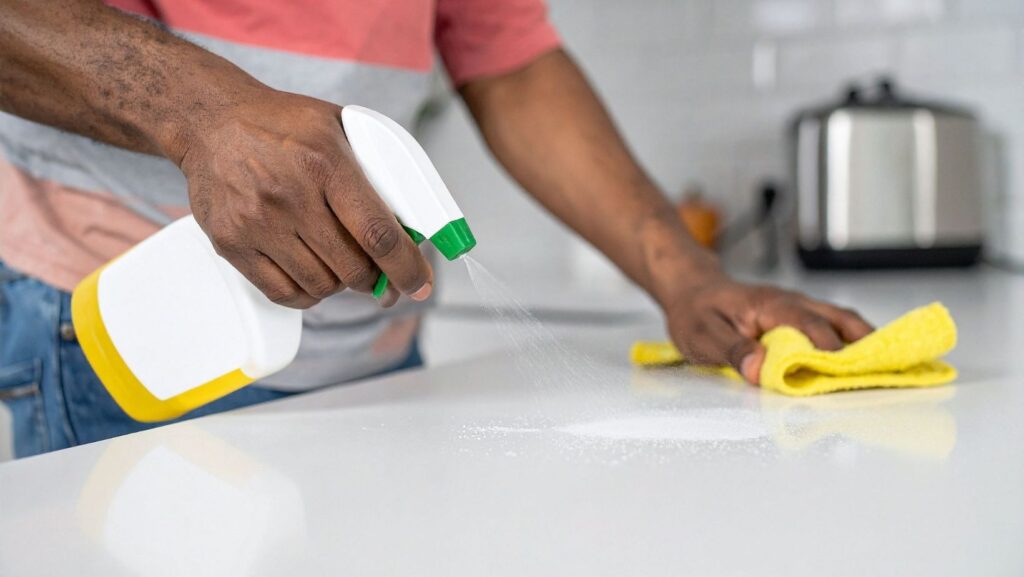
The controlled wetness level of these products also supports the required contact time, helping maintain intended performance across shifts.
Preventing cross-contamination through structured workflows
The way cleaning tools are handled can significantly influence hygiene outcomes. Colour-coded systems help teams maintain separation between sanitary facilities, patient rooms and public areas. Using fresh cloths or pre-measured wipe quantities for each room reduces the risk of spreading microorganisms from one zone to another. Storage practices also matter: correctly drying reusable tools and segregating clean and used items supports good environmental hygiene and reduces recontamination risks.
Scaling operational efficiency in high-traffic environments
Public transport hubs, educational facilities and hospitals all experience peak periods where rapid turnover is essential. Lightweight tools, ergonomic grips and efficient wringing or dispensing mechanisms help cleaning teams maintain coverage without compromising quality. Well-selected tools also enable audits and monitoring activities, as consistent outcomes are easier to document and verify. Over time, aligning equipment choices with staff feedback and surface-type mapping allows organisations to refine their hygiene strategies and respond effectively to changing needs.