
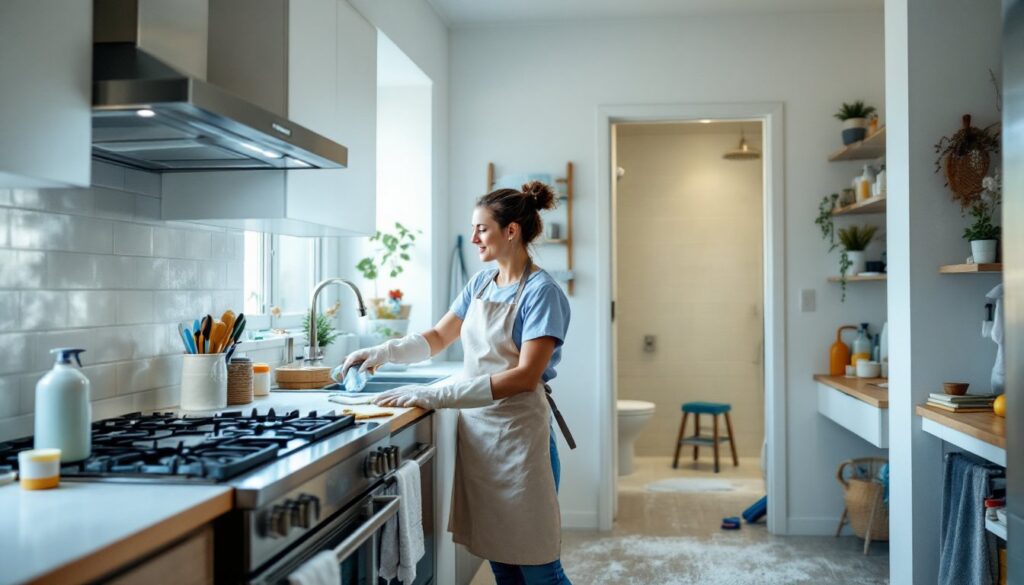
Deep cleaning goes far beyond the weekly sweep and wipe. It’s the maintenance work that keeps a home healthy, extends the life of surfaces and appliances, and eliminates the grime that regular cleaning misses. Whether someone’s tackling this project for the first time or diving into a spring refresh, deep cleaning your house requires a strategic approach, the right supplies, and room-by-room focus. This guide breaks down exactly what to do and why it matters, no fluff, just practical steps a homeowner can execute themselves.
Key Takeaways
- Deep cleaning your house twice yearly eliminates hidden dust, grime, and allergens that regular cleaning misses, improving air quality and health.
- Essential deep cleaning tools include microfiber cloths, degreasers, baking soda, white vinegar, and a steam cleaner to tackle grease and mineral deposits effectively.
- Start deep cleaning in the kitchen by emptying cabinets, degreasing appliances and stovetops, and cleaning under refrigerator coils to prevent equipment failure.
- Bathrooms require special mold vigilance: run exhaust fans, soak fixtures in vinegar, scrub grout thoroughly, and recaulk damaged areas to prevent water damage and deterioration.
- Move furniture in bedrooms and living spaces to vacuum hidden dust mites and allergens, then clean baseboards, ceiling fans, and light switches for complete coverage.
- Deep cleaning catches early signs of damage like loose caulk, discolored grout, and damaged weatherstripping before they become expensive repairs.
Why Deep Cleaning Matters Beyond Regular Cleaning
Regular cleaning keeps surfaces tidy: deep cleaning preserves them. Dust accumulates in ceiling corners, baseboards, and inside appliances, causing allergen buildup and reducing air quality. Grime on kitchen exhaust hoods and bathroom grout becomes harder to remove the longer it sits, eventually requiring professional restoration or replacement.
Deep cleaning extends appliance life by removing mineral deposits in dishwashers, lint buildup in dryers, and grease coating refrigerator coils, all of which force equipment to work harder and fail sooner. It also uncovers issues early: loose caulk around tubs, discolored grout indicating water damage, or damaged weatherstripping around windows. A thorough clean twice yearly catches these problems before they become expensive repairs.
For health reasons, deep cleaning tackles mold growth behind furniture, dust mites in carpeting, and bacteria on high-touch surfaces like light switches and remote controls. Those with allergies or respiratory issues see real improvement when hidden dust reservoirs get cleared.
Essential Supplies and Tools You’ll Need
Don’t start without gathering supplies. Here’s the baseline toolkit:
Cleaning Agents:
- All-purpose degreaser (kitchen and bathrooms)
- Bleach-based bathroom cleaner (for mold and mineral deposits)
- White vinegar (natural degreaser and disinfectant)
- Baking soda (abrasive scrubbing compound)
- Dish soap (concentrated for cut-through grease)
- Glass cleaner
- Grout brush or old toothbrushes
Tools & Equipment:
- Microfiber cloths (they trap dust better than cotton)
- Stiff-bristled scrub brushes
- Squeegee for shower glass
- Vacuum with upholstery attachment
- Mop and bucket or steam cleaner
- Ladder (for ceiling corners and upper cabinets)
- Rubber gloves and safety goggles
- N95 mask (dust protection when moving furniture)
Pro tip: A steam cleaner (rented or purchased for $150–$400) cuts chemical use and disinfects surfaces without residue, making it worthwhile for grout, tile, and upholstery. Choose eco-friendly cleaners where possible, they’re safer around kids and pets without sacrificing performance.
How to Deep Clean Your Kitchen
The kitchen generates the most grime in a home. Start high and work down to avoid recontaminating cleaned areas.
- Empty cabinets and wipe interiors. Remove everything, then use a damp microfiber cloth to wipe shelves. Toss expired items and reorganize before replacing contents.
- Degrease the stovetop and backsplash. Spray with degreaser, let sit 5–10 minutes, then scrub. For burned-on residue, apply baking soda paste and let it work overnight.
- Clean inside and around appliances. Vacuum refrigerator coils from underneath (unplug first). Wipe down the outside, including the top. For the dishwasher, run an empty cycle with white vinegar to dissolve mineral deposits, then wipe the door seal and spray arm.
- Degrease the oven and microwave. For ovens, use a commercial oven cleaner or baking soda paste. Avoid self-cleaning cycles, they’re harsh on seals. Microwave: heat a bowl of vinegar and water for 5 minutes, then wipe loose grime.
- Scrub cabinet fronts and handles. Grease loves cabinet doors. Use degreaser and a soft brush, paying extra attention to corners where grease pools.
- Mop baseboards and under appliances. This is the worst spot for dust and spilled food debris.
Tackling Appliances and Hard-to-Reach Areas
Appliances need specific attention. The exhaust hood filter collects grease and reduces airflow, soak it in hot, soapy water or replace it if disposable. Check if it’s dishwasher-safe first. For under-appliance cleaning, pull the fridge and stove away from the wall carefully (enlist a second pair of hands), vacuum beneath, then mop. Let baseboards and trim dry completely before moving appliances back: moisture trapped underneath breeds mold.
Deep Cleaning Your Bathrooms Like a Pro
Bathrooms require mold vigilance and mineral deposit removal. Moisture accelerates deterioration, so ventilation matters, run the exhaust fan during and 20 minutes after showers to reduce humidity.
- Remove and soak shower/tub fixtures. Unscrew removable showerheads and faucet aerators. Soak in white vinegar for 2–4 hours to dissolve mineral deposits, then scrub with a soft brush and reinstall.
- Scrub tile grout. Use a dedicated grout brush or old toothbrush with a mixture of baking soda and water (or a grout cleaner). Don’t use bleach on porous grout without testing first, it can discolor. Work in small sections and rinse well.
- Clean caulk or recaulk if needed. If caulk is discolored, moldy, or deteriorating, remove it with a caulk tool, clean the joint with a damp cloth, and apply new 100% silicone caulk (essential for moisture resistance). Smooth with a caulk tool and let cure per product label before exposing to water.
- Degrease and disinfect surfaces. Spray toilets, sinks, and counters with a bathroom cleaner. Let it sit 5 minutes, then scrub and rinse. For toilet bowls, use a toilet brush with a dedicated toilet cleaner: let it soak, then scrub the bowl and under the rim.
- Clean mirrors and glass shower doors. Squeegee after each shower reduces buildup. For deep cleaning, spray with glass cleaner, let it sit briefly, and wipe with a microfiber cloth in one direction to avoid streaks.
- Mop floors thoroughly. Bathrooms stay damp, making them mold-prone. Use hot water and disinfectant, paying special attention to corners and behind the toilet base where water pooling occurs.
Bedrooms and Living Spaces: Getting into the Details
Bedrooms and living areas harbor dust that aggravates allergies. These spaces are often neglected during regular cleaning but deserve attention.
- Vacuum under and behind furniture. Move beds, dressers, and couches (recruit help for heavy items) and vacuum thoroughly. This eliminates dust mites and their allergens trapped in carpet pile.
- Dust ceiling corners and ceiling fans. Use a microfiber cloth on a pole or an old pillowcase over a ceiling fan blade to catch falling dust. Wipe light fixtures and vents.
- Clean baseboards and trim. Dust collects where walls meet floors. Use a damp cloth or a magic eraser for scuffs and marks.
- Wipe down window blinds and sills. Close blinds fully and wipe one side with a microfiber cloth or old sock between your fingers: flip and repeat. Window sills collect dirt and dead insects, vacuum, then wipe with a damp cloth.
- Deep clean upholstered furniture. Vacuum with an upholstery attachment, paying attention to seams and crevices. For stains, use a spot cleaner following the manufacturer’s instructions. A rental steam cleaner (per-hour cost $50–$100) refreshes heavily used seating.
- Refresh carpets. Sprinkle baking soda, let it sit 15–20 minutes to absorb odors, then vacuum thoroughly. Steam cleaning goes deeper and removes embedded soil, consider professional cleaning annually in high-traffic areas.
Don’t overlook baseboards and light switches in these spaces. Hands transfer grime constantly: a quick disinfectant wipe on switches during deep cleaning reduces bacterial and viral transmission.
Conclusion
Deep cleaning isn’t a one-time project, it’s preventive maintenance that protects a home’s surfaces, air quality, and health. By tackling one room at a time with the right tools and a systematic approach, the task becomes manageable. Schedule deep cleans twice yearly (spring and fall) to stay ahead of grime accumulation. Start with the kitchen and bathrooms where moisture and grease cause the most damage, then move to living spaces. The payoff is a home that functions better, lasts longer, and feels genuinely clean, not just surface-tidy.