
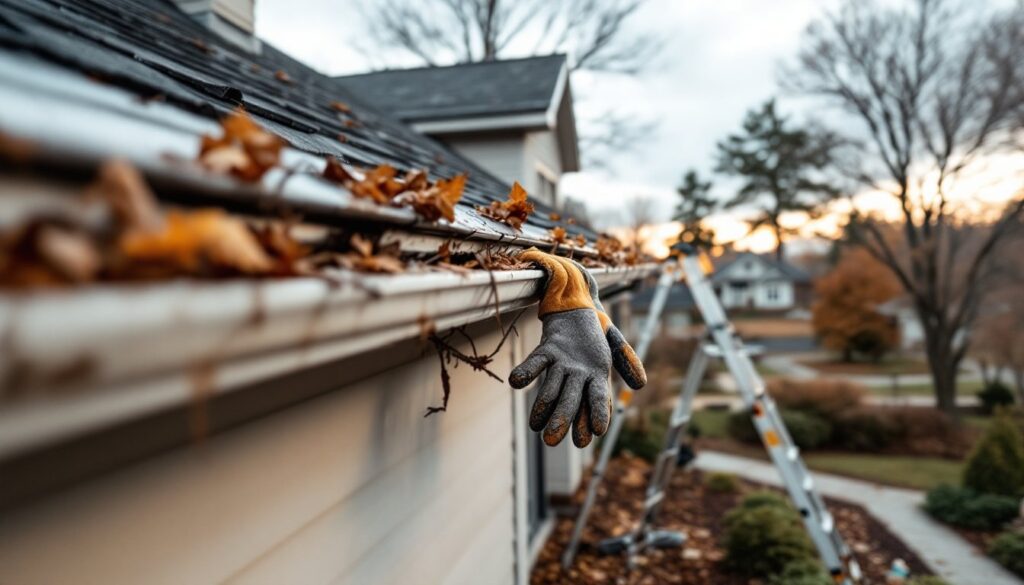
Green Bay homeowners face a unique set of challenges when it comes to gutter maintenance. Between seasonal leaf drop, heavy spring snowmelt, and the region’s variable weather patterns, gutters clog faster here than in many other parts of the country. A clogged gutter doesn’t just sit there looking messy, it can drive water into your foundation, rot fascia boards, damage landscaping, and compromise your home’s structural integrity. Regular gutter cleaning in Green Bay isn’t optional: it’s essential maintenance that prevents costly repairs down the line. This guide walks through why gutters matter, when to clean them, and whether to tackle the job yourself or call in a professional.
Key Takeaways
- Gutter cleaning in Green Bay is essential maintenance that prevents costly foundation repairs, roof damage, and water intrusion caused by the region’s heavy spring snowmelt and seasonal leaf accumulation.
- Schedule gutter cleaning twice annually—late fall (October–November) to prevent ice dams and late spring (May–June) to prepare for summer storms.
- Red flags that demand immediate attention include sagging gutters, overflowing water during rain, visible debris piles, seedlings sprouting in gutters, and water pooling near your foundation.
- DIY gutter cleaning requires proper safety equipment and 2–4 hours for single-story homes, but professional services ($150–$400) are recommended for two-story homes or those with steep roofs and significant tree coverage.
- Trim tree branches 6 feet away from your roof and install gutter guards ($800–$2,000) to reduce debris entry and extend gutter lifespan, complementing regular cleaning efforts.
- Proactive gutter maintenance is one of the highest-ROI home investments in Green Bay’s climate, costing far less than water damage repairs or foundation stabilization.
Why Regular Gutter Cleaning Matters for Green Bay Homes
Gutters channel rainwater and snowmelt away from your roof, walls, and foundation. When they’re clogged, water overflows and pools in places it shouldn’t. In Green Bay’s climate, this is especially problematic because frozen water in winter can back up under shingles and cause ice dams, a nightmare that leads to interior leaks.
Water pooling near the foundation can seep into basements or crawl spaces, promoting mold growth and structural damage. Overflowing water also cascades down exterior walls, staining siding and rotting fascia boards (the trim behind the gutters). Over time, this damage compounds: a $200 cleaning now beats a $3,000+ foundation repair or roof replacement later.
Green Bay’s deciduous trees also mean leaves, twigs, and debris accumulate quickly in gutters, especially in fall and early winter. Even if you don’t live directly under trees, wind carries organic material across neighborhoods. Keeping gutters clear maintains proper drainage, extends shingle life, and protects the entire envelope of your home.
Signs Your Gutters Need Immediate Attention
Before scheduling a cleaning, check for these red flags. Sagging gutters indicate debris weight or water pooling, look along the roofline and see if sections dip. Overflowing water during rain, especially near downspouts, means blockages. You might also notice dark streaks or staining on fascia and siding, which signals water overflow.
Peering into gutters (from a safe distance), you’ll spot visible debris piles, leaves, and moss growth. If you see small plants or seedlings sprouting in gutters, those seeds have trapped enough organic matter to germinate, it’s time. Pest droppings, insect nests, or visible mold on gutter interiors also warrant attention.
Listen for clogged downspout gurgling or water trickling out the sides instead of flowing freely from the bottom. During heavy rain, if water sheets off the roof edge instead of flowing through gutters, you’ve got a blockage. Don’t ignore these signs, they compound quickly, especially in Green Bay’s wet months.
Best Times to Schedule Gutter Cleaning in Green Bay
Green Bay’s climate demands a cleaning schedule. Plan for two major cleanings annually: late fall (October–November) and late spring (May–June). Fall cleaning removes leaves, seeds, and debris before winter freeze-thaw cycles create ice dams. Spring cleaning clears any winter buildup and prepares gutters for summer thunderstorms.
If you have significant tree coverage, add a mid-summer check after heavy storms. Clean gutters clogged by branch breakage before water damage occurs. Winter cleaning is risky on icy surfaces and ladders, so defer unless there’s an emergency (like a visible leak inside).
Scheduling matters, too. Avoid the peak of leaf season (late October through early November) when every service is booked: aim for early October or November instead. Spring storms often hit late April through May, so schedule before the first heavy rain. Planning ahead ensures you get service when you need it, not weeks later.
DIY vs. Professional Gutter Cleaning: What Works Best
A confident DIYer with proper safety gear can handle basic gutter cleaning. You’ll need a sturdy ladder (6–8 feet for single-story homes), work gloves, eye protection, and a gutter scoop or small hand shovel to remove debris. A wet-dry vacuum with gutter attachment or a low-pressure hose speeds the job. Budget 2–4 hours for a typical single-story home with moderate debris.
Start by positioning the ladder safely, never overreach, and have someone spot you. Scoop debris into a bucket, then flush gutters with water to clear silt. Check downspouts for blockages by running water from the hose down them: if water backs up, use a plumbing snake or pressure washer to clear clogs. Wear gloves, you’ll encounter decomposed leaves, mold, and sometimes animal nesting material.
When to Hire a Professional Service
Hire a professional if you have a two-story or taller home, feel uncomfortable on ladders, or have complex gutter runs. Pros have insurance, proper equipment, and experience spotting damage you might miss. They can also inspect gutters for damage, check hangers for rust or looseness, and identify leaks. For Green Bay homes with steep roofs or significant tree coverage, professional service is often worth the cost ($150–$400 per service, depending on home size and debris level). Many homeowners hire professionals for fall and do spring maintenance themselves.
What to Expect During a Gutter Cleaning Service
When a professional gutter cleaning service arrives, they’ll assess debris level and determine the approach. Most start by hand-scooping larger debris into buckets, working systematically from one end of the gutter to the other. They’ll then flush gutters with water to clear silt and fine particles, checking that water flows freely to downspouts.
Pros will inspect downspouts and test flow to confirm they drain properly: if a downspout is clogged, they’ll use specialized equipment (like a plumbing auger or pressure washer) to clear it. They’ll also visually check for damaged, loose, or rusty hangers and note any gutter separation from fascia. Many services offer optional add-ons like gutter guard installation or minor repairs, ask about these before booking.
A full service typically takes 1–2 hours for a standard two-story home. Reputable companies will clean up debris and ground-level mess before leaving. Ask if the estimate includes a post-cleaning inspection photo or report: that documentation helps you track maintenance and spot trends over time.
Protecting Your Gutters Year-Round
Beyond cleaning, simple steps extend gutter life. Trim tree branches hanging over the roof by at least 6 feet to reduce leaf and debris drop. This single step cuts cleaning frequency and prevents branch damage during storms. Install gutter guards or screens if you’re amenable to the upfront cost ($800–$2,000 installed): they reduce debris entry, though no system is 100% blockage-proof, they still need occasional cleaning.
Check gutters visually from the ground after major storms, especially spring windstorms common in Green Bay. Look for sagging sections or overflowing water. Flush downspouts with a hose monthly during leaf season to catch blockages early. In late fall, after most leaves have dropped, do a final inspection and cleaning before winter.
Keep gutters on your seasonal maintenance checklist, just like HVAC servicing or septic pumping. Set phone reminders for mid-October and early May. A proactive approach costs far less than water damage repair, foundation stabilization, or siding replacement. In Green Bay’s harsh climate, consistent gutter maintenance is one of the highest-ROI home care investments a homeowner can make.