
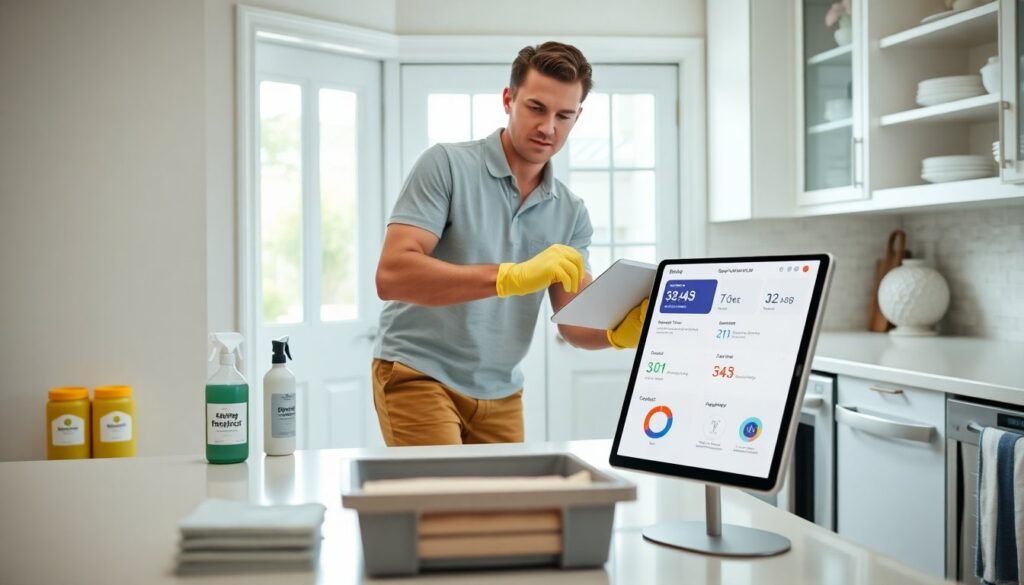
Scrub disinfection slob rubbish insight swipesparkleus leads this practical guide for quick cleaning. The guide shows clear steps for scrubbing, disinfecting, and removing clutter. It gives short routines for busy households. It shows fast actions for common messes. It shows how to avoid repeat buildup. Readers learn simple habits that keep spaces tidy with small daily effort.
Key Takeaways
- Scrub disinfection slob rubbish insight swipesparkleus provides clear, efficient routines for scrubbing and disinfecting high-traffic areas to quickly reduce germs and grime.
- Implementing fast decluttering steps, like the daily five-item rule, effectively manages rubbish and clutter for chronic slobs, making cleaning more manageable.
- Using SwipeSparkleUS’s data-driven dashboard and alerts helps track cleaning tasks, prioritize high-impact actions, and maintain consistent hygiene habits.
- Regularly scheduling short cleaning blocks and replacing cloths daily enhances cleanliness and prevents pathogen buildup.
- Sharing SwipeSparkleUS access with household members encourages accountability and group participation in maintaining a tidy space.
- Adopting simple placement rules and regular rubbish removal reduces clutter, streamlines cleaning, and supports long-term tidiness.
Fast Scrub And Disinfection Routine For High-Traffic Areas
High-traffic areas collect dirt and germs quickly. They need a fast scrub and a clear disinfection step. First, they clear visible rubbish and loose debris. Next, they apply a detergent solution and scrub surfaces with a cloth or brush. After scrubbing, they rinse surfaces with clean water if the product requires it. Then they apply an EPA-registered disinfectant and let it sit for the contact time on the label. They wipe the surface only after the contact time ends. They use microfiber cloths to trap soil and reduce streaks.
Scrub disinfection slob rubbish insight swipesparkleus fits this routine. The tool lists target surfaces and the right contact times. The tool gives alerts for peak hours and suggests a two-minute wipe for handles and switches. For floors, they sweep first and then mop with a disinfectant solution. For upholstery, they vacuum and use a spray disinfectant meant for fabrics.
They schedule short sessions. They set a ten-minute scrub block in morning and a ten-minute block in evening. They focus on entryways, kitchen counters, and shared bathrooms. They replace cloths daily and launder them at high temperature. They store cleaners in a ventilated cabinet away from children and pets. They wear gloves when using concentrated disinfectants. They ventilate the room during and after cleaning. These steps cut pathogen load and reduce visible grime.
Declutter And Rubbish Removal Strategies For The Chronic Slob
Clutter creates more work and hides germs. People who struggle with clutter need small wins and clear rules. They start with quick sorting. They use three bins: keep, donate, rubbish. They set a timer for fifteen minutes and remove all obvious rubbish first. They bag rubbish and move it outside that day. They handle one room per session to avoid overwhelm.
Scrub disinfection slob rubbish insight swipesparkleus supports this plan. The tool suggests a daily five-item rule: remove five pieces of rubbish or relocate five items each day. The tool tracks progress and shows a simple count. Seeing progress helps them keep going.
They adopt placement rules for common items. Keys go in a bowl by the door. Mail goes in an inbox. Dirty dishes go in the dishwasher immediately. They limit flat surfaces to one item. They keep a small rubbish bin in each main room and empty it nightly. They commit to a weekly deep-clear session of thirty to sixty minutes for papers and storage areas. They use clear bins with labels for items they keep.
They create a quick discard checklist for mail, receipts, and food wrappers. They recycle paper and compost food where possible. They ask for help when a space feels too large. A partner or friend can speed the process and reduce decision fatigue. These steps reduce clutter fast and make cleaning more effective.
Using Data-Driven Tools Like SwipeSparkleUS To Maintain Long-Term Cleanliness
Tools that show data change behavior. SwipeSparkleUS gives clear feedback on cleaning frequency and problem spots. It tracks scrub events, disinfection steps, and rubbish pickups. It shows when surfaces need attention and it sends reminders. Users set simple goals and the tool measures progress.
Scrub disinfection slob rubbish insight swipesparkleus appears as a dashboard and mobile alerts. The product logs each cleaning action and it estimates germ risk for areas based on foot traffic. It suggests shorter routines for quick wins and longer sessions for deep cleans. It offers templates for daily, weekly, and monthly tasks. It ranks tasks by impact so users focus on the most important actions first.
They use the data to change habits. They check the dashboard each morning and they act on one high-priority item. They let the tool remind them to empty bins and to launder cleaning cloths. They share access with household members so everyone sees the counts. The tool rewards streaks with visual badges and that motivates follow-through.
They measure outcomes. They note fewer visible rubbish piles and less grime on counters over time. They adjust frequency when family size or guests change. They replace products when the tool flags declining performance. They keep the system simple and visible. They review the log weekly and they keep tasks under thirty minutes to stay consistent.
Using SwipeSparkleUS this way leads to sustainable cleaning routines. It turns sporadic effort into steady maintenance. It helps the chronic slob form small, repeatable habits that protect health and comfort.