
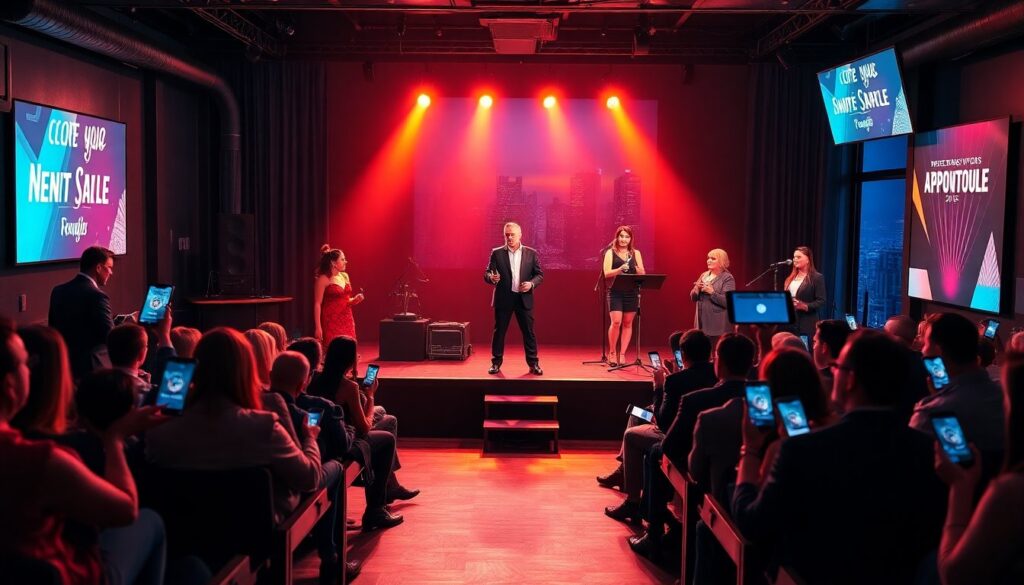
swipesparkleus appears as a new cabaret trend that blends live acts and digital tools. The scene grows fast in 2026. Producers test formats. Audiences respond with strong demand. Cities add venues. Creators adapt shows to reach more people.
Key Takeaways
- Swipesparkleus is a rapidly growing cabaret trend that combines live acts with digital tools to engage modern audiences.
- The format features short, fast-paced segments mixing music, spoken word, and interactive elements that appeal to diverse crowds.
- Digital integration, including apps and live streaming, enhances audience reach and opens new revenue streams such as virtual tipping and pay-per-view.
- Business models vary from weekly ticketed nights to subscription passes, with creators earning through multiple channels like tips, sponsorships, and digital content.
- Challenges include licensing, staffing costs, and rising marketing expenses, while opportunities lie in touring residencies, brand partnerships, and data-driven show management.
- Supporting infrastructure like simplified permits and coworking spaces can sustain swipesparkleus growth and help creators build loyal audiences for steady income.
The Rise Of SwipeSparkle US: From Niche Trend To Mainstream Phenomenon
swipesparkleus began in small clubs where performers mixed burlesque, comedy, and DJ sets. Early hosts used social posts to sell tickets. Local press covered a few viral nights. Investors noticed growth in weekly attendance. Venues upgraded sound and lighting to match audience expectations. Promoters formed partnerships with app firms to manage bookings and guest lists. By 2024, swipesparkleus nights moved from fringe spaces into neighborhood theaters. Cities reported higher late-night foot traffic on show nights. Creators saw consistent pay from ticket sales and tips. Fans described the shows as fresh and social. Critics compared the energy to classic cabaret but with a faster pace. Festivals added swipesparkleus stages to reach younger crowds. The term spread across podcasts, lifestyle blogs, and venue calendars. Major talent agencies began to scout performers from swipesparkleus nights. The movement shifted from a small trend into a reproducible model for live entertainment.
What Modern Cabaret Looks Like — Format, Audience, And Cultural Influences
swipesparkleus shows use short segments that mix music, spoken word, and interactive bits. Each show runs in sets of three to five acts. Hosts keep the pace brisk. Audiences vary by night. Younger adults attend on weekends. Tourists join special event nights. Locals attend recurring residencies. The format encourages audience participation through voting, shout-outs, and mobile prompts. Creators draw on pop culture, drag, and indie theatre for material. Producers book diverse lineups to match audience tastes. Themes rotate monthly to keep repeat visitors. Designers use neon lights and modular stages for quick changes. Marketing teams promote shows with crisp images and short video clips. Media features emphasize community and live energy. Brands sponsor themed shows to reach engaged viewers. The result combines live cabaret craft with modern cultural threads.
Digital Integration: Apps, Live Streaming, And New Revenue Tools
swipesparkleus events integrate apps to sell tickets and manage guest lists. Venues use live streaming to reach fans who cannot attend. Creators monetize streams with virtual tip jars and exclusive backstage feeds. Apps enable micro-tipping during acts. Producers sell tiered access to post-show meet-and-greets. Platforms offer analytics that show which acts drive ticket sales. Promoters test pay-per-view for headline sets. Technology also helps schedule rehearsals and coordinate tech calls. Some venues use augmented reality filters to enhance on-site visuals. Advertisers place shoppable links in streams for costume items and music. These tools increase revenue per viewer. They also create new roles like stream director and digital producer. The new roles help builders scale swipesparkleus nights across multiple cities.
Business Models, Challenges, And Opportunities For Creators And Venues
swipesparkleus shows follow several business models. Some venues run weekly ticketed nights with a fixed split for performers. Other producers sell subscriptions for season passes. Promoters also sell branded merchandise and digital content. Creators earn from ticket splits, tips, sponsorships, and digital sales. Venues earn from door receipts, bar sales, and event rentals. The model works when venues maintain steady attendance and clear cost control. Many operators face challenges with licensing and zoning. Cities vary in their rules on late-night events and amplified sound. Venues must also manage staffing costs for sound, lighting, and security. Creators face income volatility between runs and seasons. Marketing costs rise as shows scale. Competition grows as more promoters enter the market.
Opportunities remain strong. swipesparkleus shows can expand through touring residencies and pop-ups. Venues can add weekday shows to increase revenue. Creators can monetize short clips and lessons for fans. Partnerships with brands can fund higher production values. Data from ticketing apps can guide lineups and pricing. Local governments can support the scene by simplifying permit steps and offering small grants. Shared coworking spaces for performers can lower rehearsal costs. Networks of venues can trade acts and reduce booking risk. Investors can back venue upgrades for larger capacity. For creators, building a loyal audience on and off site leads to steadier income. For venues, combining on-site revenue with digital sales protects margins.